Senior Cognitive Health What You Need To Know
Maintain cognitive function in seniors via stimulating activities, proper nutrition, and regular exercise for optimal brain health.
Cognitive health is an increasingly important topic in our aging society. As we age, we face various challenges that can affect our brain health, which can lead to conditions like Alzheimer's disease and other forms of dementia. Understanding the landscape of senior cognitive care is crucial for individuals and caregivers alike.
Understanding Cognitive Decline
Cognitive decline can manifest in numerous ways. It's more than just forgetfulness; it includes a range of dementia symptoms that may affect the ability to reason, remember, and engage in daily activities. Aging naturally leads to some cognitive changes, but significant decline is often a sign of an underlying condition. Awareness of common signs is essential for early intervention and appropriate dementia care.
Importance of Early Cognitive Assessment
One of the most effective ways to combat cognitive issues is through early cognitive assessment. Recognizing changes in cognitive function allows for timely intervention, which can significantly impact quality of life. You can learn more about Medicare's initiatives regarding cognitive assessments on this informative blog.
Memory Care Options
When cognitive decline progresses into conditions such as Alzheimer’s or significant dementia, specialized memory care may be necessary. Memory care facilities are designed to provide a safe environment with tailored support that focuses on the unique needs of residents. These facilities often incorporate therapeutic activities aimed at enhancing cognitive function.
Assisted Living vs. Home Healthcare
Families often face the tough decision of choosing between assisted living facilities and home healthcare. Assisted living provides community support and resources for seniors, including meal preparation and daily care activities. Conversely, home healthcare allows older adults to age in place with the assistance of in-home caregivers. Both options can deliver caregiver support to help manage daily life.
Understanding the Role of Caregivers
Caregiver support is vital, as they are often the first line of defense in recognizing changes in a loved one’s cognitive health. Whether they are family members or professional caregivers, they need access to resources and training to provide the best care. Initiatives such as local support groups can also make a significant difference for caregivers navigating their journey.
Geriatric Care and the Aging Population
Geriatric care is a specialized field designed to address the unique health care needs of older adults. This includes managing chronic conditions, dementia care, and facilitating cognitive health assessments. Healthcare systems today need to prioritize access to geriatric specialists to ensure our aging population receives comprehensive, empathetic care. For advanced cognitive neurology care, consider visiting the Cognitive Neurology Center.
Technology and Cognitive Health
Technology plays an essential role in enhancing brain health. From apps reminding seniors to take medications, to brain training games designed to boost cognitive flexibility, innovation continues to evolve. Engaging in mentally stimulating activities can slow cognitive decline, and many of these tools are accessible to seniors.
Building a Supportive Community
Key to supporting seniors in cognitive health is building a supportive community. Family, friends, and neighbors can create a safety net that encourages social interaction, mental stimulation, and overall well-being. Initiatives that foster community engagement and activism can help bridge gaps for isolated seniors.
Looking Forward: Driving Innovation in Cognitive Care
Innovations in senior cognitive care are crucial in addressing the growing needs of the elderly population. Organizations like Discovery Senior Living are leading the way, having been recognized with the 2025 Memory Care Innovation Award for their contribution to cognitive initiatives across various communities. Check out their work here
Final Thoughts
As we learn more about senior cognitive health, it becomes imperative to build supportive systems for both seniors and their caregivers. Whether through professional care, family support, or innovative technologies, we must ensure that cognitive decline does not define the later years of our loved ones. Together, by addressing cognitive health and providing necessary support, we can foster a brighter future.

Posts Relacionados

24 Hour Quickest Dental Implants Short Overview
Get your new smile in one day with fast and efficient 24-hour dental implants.

5 Balance Exercises For Seniors
Improve senior mobility. Enhance stability, prevent falls. Simple routines, better balance. Stay active, healthy, and safe.
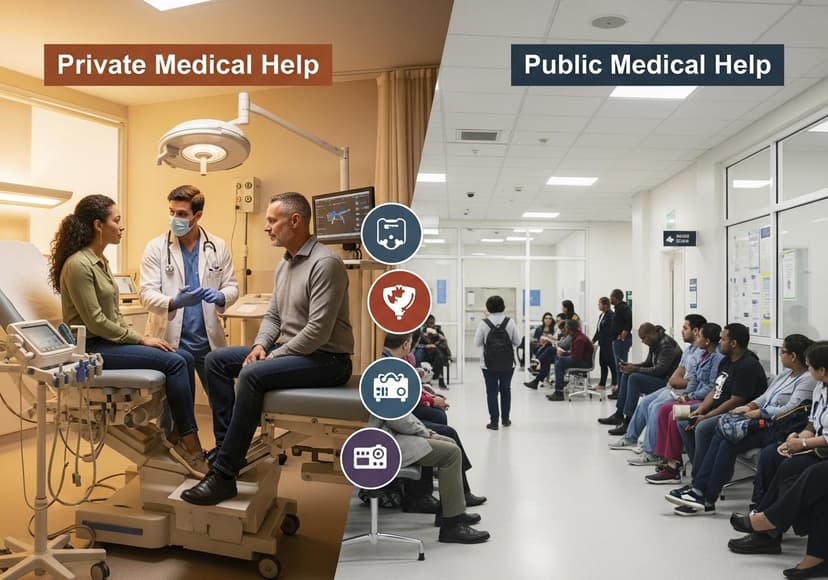
A Comparison Of Public And Private Medical Help
Public healthcare often offers accessibility, while private healthcare may provide quicker, more personalized services for patients.