A Comparison Of Public And Private Medical Help
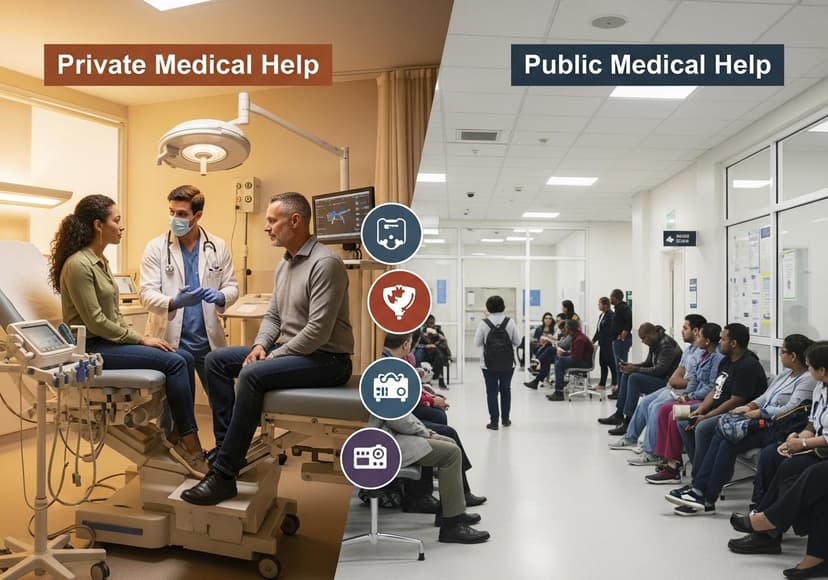
Public healthcare often offers accessibility, while private healthcare may provide quicker, more personalized services for patients.
When it comes to seeking medical help, people often find themselves choosing between public and private options. The choice can significantly affect the healthcare quality that individuals receive, impacting everything from doctor visits to emergency care. Let’s dive into the differences and similarities between Public Medical Help and Private Medical Help.
Understanding Public Medical Help
Public medical help typically refers to healthcare services funded and managed by the government. In many countries, these services are available to residents at little or no out-of-pocket cost, making them an attractive option for those with limited financial resources. However, this system can sometimes be strained due to high demand, leading to longer wait times for hospital services and specialist consultations.
Exploring Private Medical Help
On the other hand, private medical help operates on a different model. Generally, it involves services provided by privately-owned facilities, which are often more accessible and quicker than their public counterparts. However, with the benefit of speed and convenience comes the downside of higher healthcare costs. Many individuals opt for private care due to the perceived increase in healthcare quality, especially when dealing with medical treatments or prescription drugs.
Impact of Healthcare Costs
When considering healthcare options, healthcare costs remain a pivotal factor. Public healthcare typically operates on a tax-funded model, which spreads costs across society. This means that while individuals may not have to pay directly for most services, they fund the system through taxes. In contrast, accessing private medical help often involves upfront payments or robust health insurance, which may cover costs but could also lead to significant monthly premiums.
Quality of Care and Medical Technology
One often-discussed topic is the difference in healthcare quality between these two systems. While public hospitals often have to maintain lower costs, they may lack access to the latest medical technology or advanced facility updates. Private facilities, benefitting from higher funding, can usually invest in this technology, resulting in better outcomes for many patients. According to a study from Health Affairs, this disparity may impact patient satisfaction and health outcomes.
Emergency Care Considerations
Emergency care is another area where the choice between public and private medical help can have serious implications. Public emergency rooms are crucial for immediate care, yet patients may face long wait times. Conversely, private emergency services may provide quicker treatment but typically at a steep cost. Those with comprehensive health insurance may find these costs manageable, while those without could quickly face financial strain during a medical crisis.
Doctor Visits: Accessibility and Wait Times
Accessibility is a crucial factor when assessing doctor visits. In public systems, seeing a general practitioner might involve a longer wait. Patients can expect to see specialists only after obtaining referrals, which can prolong the process. Meanwhile, private patients may secure faster appointments, allowing quicker access to care, thereby enhancing the overall patient experience. However, this raises concerns about equity in healthcare access.
Long-Term Treatment Options
For long-term conditions, the differences become more pronounced. Private medical help might offer more comprehensive care plans and dedicated resources for managing chronic illnesses, often resulting in better adherence to treatment regimes. Public services, while essential and effective for many, may be limited by budget constraints, affecting the availability of programs or services needed for effective chronic care management.
Moving Towards Better Healthcare Solutions
It is important to note that both public and private medical help systems have their merits and flaws. Many argue that a hybrid model, which combines the strengths of both systems, could help improve overall healthcare quality. The ideal solution seems to revolve around ensuring that everyone has access to essential care while maintaining choices and flexibility in the type of care received. A recent study on this subject published in the JAMA Network further explores these common ground concepts.
Conclusion
The choice between public and private medical help boils down to individual circumstances, preferences, and financial situations. Both systems have their unique benefits and limitations, so understanding them is crucial. In an evolving healthcare landscape, striving for improved access and healthcare quality will ultimately lead to healthier communities and better patient outcomes.
Posts Relacionados

24 Hour Quickest Dental Implants Short Overview
Get your new smile in one day with fast and efficient 24-hour dental implants.

5 Balance Exercises For Seniors
Improve senior mobility. Enhance stability, prevent falls. Simple routines, better balance. Stay active, healthy, and safe.
Access To Affordable Dental Implants
Low-cost dental implants offer transformative smiles. Consider financing and exploring options for budget-friendly dental work.