Nutrition In Wellness Centers
Optimizing diets fosters vibrant aging, essential within senior wellness centers. This enhances residents' overall well-being, promoting longevity.
Wellness centers are becoming increasingly crucial for providing comprehensive care as our society ages. These centers offer a unique blend of healthcare services that cater specifically to the needs of seniors, including those in retirement communities, assisted living, and various senior care programs. One of the primary focuses of these centers is nutrition, which plays a vital role in enhancing the quality of life for seniors.
The Importance of Nutrition in Senior Wellness
Good nutrition is the foundation of a healthy life, especially for seniors. Senior wellness programs prioritize creating personalized nutrition plans that meet the unique dietary needs of older adults. Adequate nutrition can help manage chronic diseases and improve energy levels, leading to better engagement in wellness programs and daily activities.
Senior Wellness and Nutrition
Nutrition in wellness centers often integrates various facets of care, including physical therapy and occupational therapy, all designed to optimize the health of seniors. For instance, a well-balanced diet can enhance a senior’s physical rehabilitation process by ensuring their bodies are equipped with the necessary nutrients to heal and regain strength.
Customized Nutrition Plans
Each individual has unique needs, particularly within the senior population. Wellness centers ensure that each resident has access to tailored nutrition plans, considering factors such as age, health status, activity level, and personal preferences. Incorporating the necessary nutrients can help in areas such as memory care and dementia care, supporting cognitive functions and promoting overall well-being.
Wellness Programs to Support Nutrition
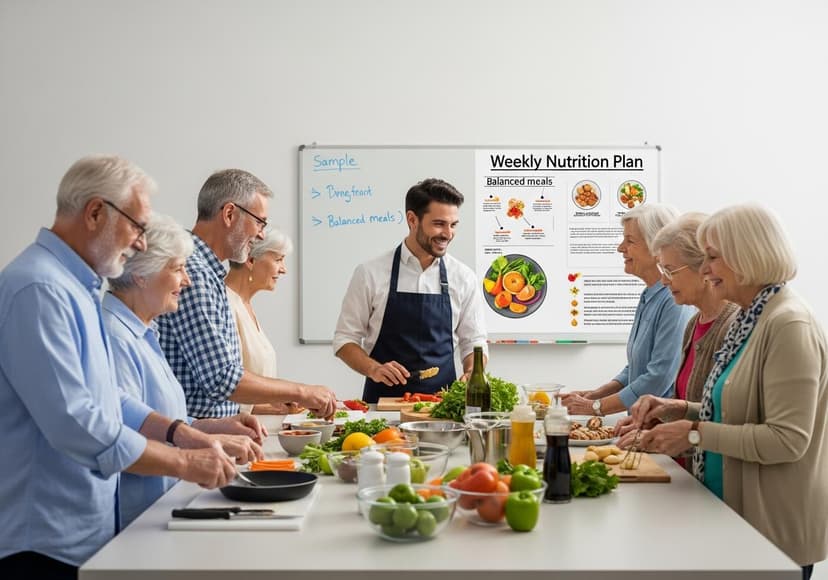
Many wellness centers offer specialized wellness programs that focus on nutrition education. These programs often include cooking classes, nutritional workshops, and group discussions that help seniors understand the importance of nutrition. By doing so, residents not only learn to make healthier choices but also connect with one another, creating a strong community support system.
Integrating Physical and Occupational Therapy
Nutrition also plays a crucial role in the successful outcomes of physical therapy and occupational therapy. For example, adequate protein intake assists in muscle recovery and strength building, which is especially important for seniors who are recovering from injuries or surgeries. The combination of good nutrition with therapeutic exercises lays down a solid foundation for improved physical function.
Supporting Independence with Proper Nutrition
In independent living settings, seniors often have more autonomy in making nutritional choices. However, this can sometimes lead to less balanced eating habits. Wellness centers work hard to provide meals that meet dietary guidelines while encouraging seniors to embrace independent choices about their nutrition. This approach can empower seniors to maintain their autonomy while still ensuring balanced meals.
Memory Care and Nutrition
As cognitive decline can affect eating habits and nutritional intake, particularly in seniors experiencing dementia, wellness centers emphasize tailored nutrition strategies in memory care programs. Activities that make mealtime enjoyable, alongside foods rich in Omega-3 fatty acids, antioxidants, and vitamins B and E, may help slow cognitive decline.
A Holistic Approach to Senior Care
Incorporating nutrition into senior wellness programs is not just a service but a holistic approach to senior care. This comprehensive method ensures that the physical, emotional, and mental health needs of seniors are addressed. By creating environments where nutrition and healthcare intertwine, wellness centers enhance the overall quality of life for seniors.
Getting Involved in Senior Wellness
For families looking to involve their loved ones in meaningful wellness experiences, exploring options at local wellness centers is key. Programs like the Senior Wellness at Asbury offer great insights into tailored nutrition and activity plans designed for seniors.
The Community Impact of Senior Wellness Centers
Communities can significantly benefit from the establishment of wellness centers focused on seniors. Programs such as the Turner Senior Wellness Program not only improve the health of its participants but also inspire community bonding around health and wellness. It's important to recognize the role of cooperative nutrition and physical engagement in building stronger social ties among seniors.
A Step Towards a Healthier Future
As the demand for senior wellness centers continues to increase, it’s essential to understand the significant role of nutrition in enhancing the lives of older adults. A forward-thinking approach to nutrition and wellness can tremendously impact the health outcomes of seniors, ultimately leading to longer, healthier lives. To learn more about what these wellness communities offer, check out Eldercare Alliance's Wellness Programs.
Conclusion
Navigating the complexities of senior wellness can be overwhelming, but with the right resources and community support, seniors can thrive. Nutrition is a core component of wellness that influences everything from physical rehabilitation to cognitive health. By prioritizing nutrition alongside other healthcare services, wellness centers can provide valuable support to older adults in achieving their highest quality of life.
Posts Relacionados

24 Hour Quickest Dental Implants Short Overview
Get your new smile in one day with fast and efficient 24-hour dental implants.

5 Balance Exercises For Seniors
Improve senior mobility. Enhance stability, prevent falls. Simple routines, better balance. Stay active, healthy, and safe.
A Comparison Of Public And Private Medical Help
Public healthcare often offers accessibility, while private healthcare may provide quicker, more personalized services for patients.