What You Need To Know About Cloud Security Threats
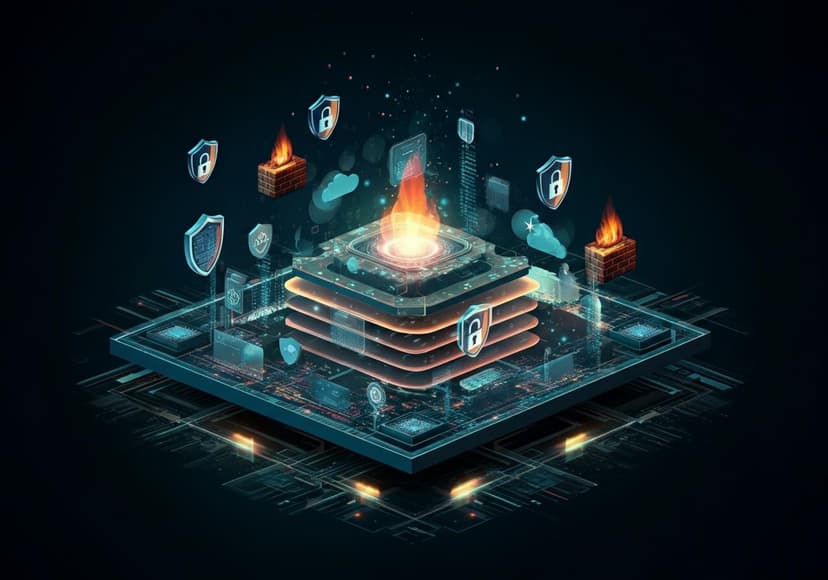
Cloud security threats jeopardize data. A robust cloud security platform offers defenses and mitigates risks effectively.
Introduction
In today’s digital world, cloud computing is becoming more critical for businesses of all sizes. While it offers benefits like scalability and cost-efficiency, it also brings a new set of cloud security threats. Understanding these threats and how to mitigate them is essential for creating a secure cloud environment. This article dives into the nuances of cloud security, focusing on key aspects such as encryption, data loss prevention, and more.
The Importance of Encryption
One of the most effective methods to secure data in the cloud is encryption. This technology scrambles data, making it unreadable to unauthorized users. Even if attackers gain access to your data, they won't be able to understand it without the encryption key! For businesses, employing robust encryption techniques is not just a good practice; it’s often a compliance requirement. Make sure your solutions are up to date and that any transactions involving sensitive data are adequately protected.
Understanding Cloud Security Threats
Cloud security threats come in various forms, including unauthorized access, data breaches, and insecure APIs. These vulnerabilities can expose sensitive information and jeopardize business operations. Businesses must remain vigilant about these threats by employing comprehensive cloud security platforms that offer advanced threat detection and response capabilities.
Data Loss Prevention
A critical aspect of cloud security is data loss prevention (DLP). DLP solutions monitor and control data transfers, ensuring sensitive information does not leave your organization’s control without authorization. This is especially significant in cloud environments, where data can easily travel across multiple platforms. Implementing DLP solutions can significantly minimize risks associated with data leakage.
Security Information and Event Management
Security Information and Event Management (SIEM) solutions aggregate log data from various sources, providing security teams a centralized view of potential threats. Through SIEM, businesses can gain valuable insights into ongoing incidents and swiftly respond before threats escalate. When combined with threat detection and response, SIEM becomes even more powerful, allowing teams to be proactive in their security measures.
Threat Detection and Response
Threat detection and response are crucial for managing ongoing risks in a cloud environment. By utilizing intelligent algorithms and machine learning, businesses can identify unusual patterns and potential threats in real time. This proactive approach helps mitigate risks before they become significant issues. Following up with a structured incident response strategy ensures that businesses are prepared to act quickly when a threat is detected.
Vulnerability Management
Ensuring that your cloud environment is secure begins with effective vulnerability management. This process involves identifying, classifying, and remediating vulnerabilities in your systems. Keeping your cloud infrastructure patched and up to date can significantly reduce the chances of falling victim to an attack. Regular audits and assessments are crucial to maintaining a secure environment.
Identity and Access Management
Identity and access management (IAM) is a security approach that ensures only authorized users have access to specific resources. By employing strong authentication techniques and regularly reviewing permissions, organizations can greatly reduce unauthorized access risks. Utilizing a Cloud Access Security Broker (CASB) can further enhance IAM efforts, helping to enforce security policies across cloud applications.
Compliance and Governance
Businesses must also be aware of compliance and governance requirements surrounding their industry. Regulations such as GDPR, HIPAA, and PCI DSS mandate specific security measures to protect sensitive data. Employing a comprehensive cloud security platform can help businesses ensure they are compliant while also maintaining robust security measures.
Security Orchestration Automation and Response
Implementing Security Orchestration Automation and Response (SOAR) allows organizations to automate security workflows, making their security operations more efficient. By integrating various tools and automating routine tasks, security teams can focus on more complex issues and incident response scenarios. This will lead to a more robust and agile security posture in the ever-evolving threat landscape.
Conclusion
Cloud security can be challenging, but understanding the landscape of cloud security threats is the first step toward protecting your organization. By prioritizing key areas like encryption, incident response, and employing advanced solutions such as cloud security platforms, businesses can enhance their overall security strategies. Furthermore, resources such as Google Cloud Security provide valuable insights and tools to bolster your cloud security efforts."}
Posts Relacionados
5 Popular Practices For It Infrastructure Monitoring
Monitoring IT infrastructure requires vigilance. Implement these practices for improved performance, quick troubleshooting, and security.

5G Towers Are They Safe
Concerns about local 5G towers persist, focusing on potential health impacts, but no definitive conclusions exist for the area.

5G Towers Overview And Tips
Locating 5G towers requires checking coverage maps. Seek information from local providers about tower locations in the area.