Types Of Hot Water Boilers
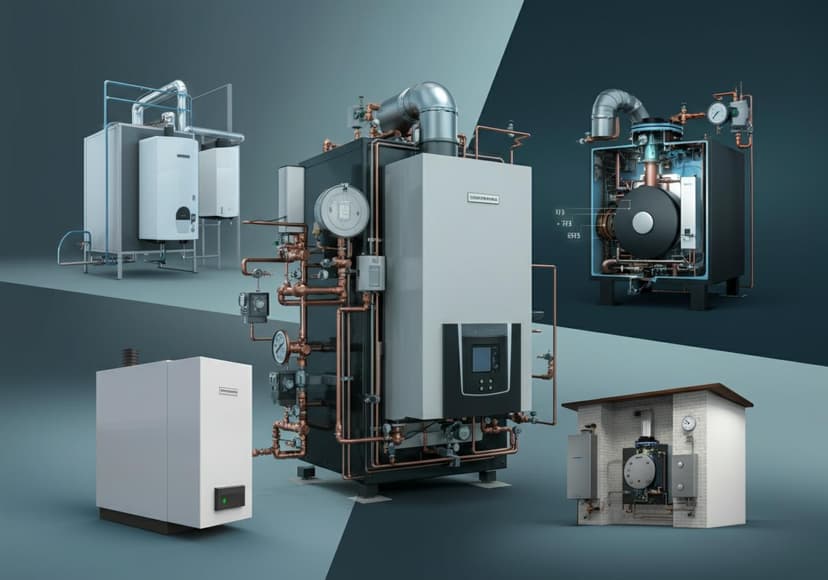
Various designs exist, each utilizing diverse fuel sources, heating water for residential and commercial applications.
Introduction to Hot Water Boilers
Hot water boilers are essential components for both residential and commercial applications. Whether you're looking for a commercial hot water boiler for a restaurant or an industrial hot water boiler for a manufacturing facility, understanding the different types available on the market is crucial. This guide will walk you through some common types of hot water boilers, their efficiencies, and factors to consider for installation and repairs.
From high efficiency boilers that help save on energy costs to tankless water heaters, there are diverse options to suit all needs and preferences.
Types of Hot Water Boilers
Designed specifically for commercial settings, commercial hot water boilers provide large quantities of hot water to meet high demands. These boilers are built for durability and efficiency, often utilizing natural gas or propane. However, they can also be equipped with electric or solar options for eco-friendly businesses.
Industrial hot water boilers take the concept further, designed for even larger scale operations such as refineries or chemical plants. The focus here is on maintaining consistent heat levels over long periods, and they often come with advanced monitoring systems. Expect to see high efficiency ratings with these units, potentially lower operational costs through technologies like condensing boilers.
High efficiency boilers boast energy-saving features and typically achieve efficiencies greater than 90%. These can be either gas or oil-fired and are designed to capture heat that would normally escape with traditional systems. They’re a great choice for anyone looking to cut down on energy bills while being environmentally conscious.
Condensing boilers represent another innovation in boiler technology. By capturing and reusing the heat that would typically be lost in the flue gases, these units maximize energy efficiency. They're suitable for both commercial and industrial applications and can significantly reduce annual energy costs. Plus, many local governments offer tax credits for these systems, as seen in programs on the Energy Star website.
Water Heater Types
Tankless water heaters, often referred to as “on-demand” systems, heat water only when it’s needed, eliminating the need for bulky storage tanks. This design allows for significant space savings and energy efficiency as they avoid standby heat loss. However, it’s vital to choose the right size to ensure you don’t run out of hot water during peak usage times.
Electric water heaters are common in smaller homes or apartments where natural gas isn’t available. They are generally easier to install and maintain than their gas counterparts. On the downside, they could potentially lead to higher energy bills, especially during peak usage times. Proper water heater installation is key to ensuring they operate efficiently.
On the other side, gas water heaters are often the preferred choice for larger households or buildings. They tend to heat water much more quickly than electric units and are generally more cost-effective in the long run. When paired with a high efficiency boiler, they can save you money through reduced energy consumption.
Oil water heaters remain popular in areas where natural gas is scarce. They use oil as a fuel source and are usually more complex to maintain. Understanding boiler replacement cost before installation can help you make an informed decision on whether to stick with oil or make the switch to a more modern system.
For those inclined toward sustainability, solar water heaters harness the sun’s energy to heat water. These systems can be expensive initially but often pay off in the long run with reduced utility costs. They work best in sunny climates, and recent advancements have made them a viable option even in less sunny regions.
Maintenance and Repairs
Regardless of which type of hot water boiler you choose, regular maintenance is essential. This includes water heater repair and routine inspections to ensure that everything is operating efficiently. Ignoring small problems can lead to bigger issues down the line, and potentially costly repairs.
When you recognize significant problems with your hot water system, it’s crucial to seek professional advice. The costs associated with boiler replacement can vary greatly, and timely repairs can save you money while extending the lifespan of your existing unit.
Choosing the Right Solution
In the end, selecting the right hot water boiler or heater involves several considerations, including your specific needs, budget constraints, and environmental impacts. By exploring the various options, from commercial hot water boilers to the latest technologies in tankless systems, you are well on your way to making an informed decision that suits your situation.
Don’t forget to consult with experts for installation and maintenance to keep your hot water systems running smoothly for years to come.
For cutting-edge solutions and more information on the latest water heating technologies, visit Navien.
Posts Relacionados

10 Business Program Software Solutions To Streamline Your Workflow
These solutions improve business workflows, boost efficiency, and automate repetitive tasks for optimal performance and success.

10 Lead Generation Strategies That Actually Work
Effective tactics boost lead generation, converting prospects. Implement these strategies to expand your customer base.

10 Tips For Getting Leads Online
Attract more clients by implementing these strategies to boost your online presence and capture valuable leads effectively.