Two Factor Authentication Methods
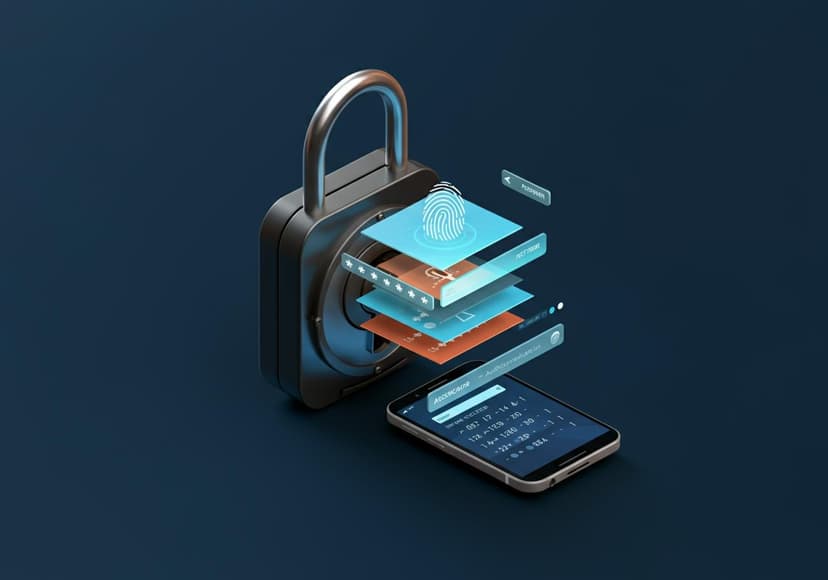
MFA strengthens security with multiple verification steps. This approach protects against unauthorized account access effectively.
In the digital age, protecting our sensitive information is more essential than ever. With the rising number of cyberattacks and phishing attempts, we need to adopt stronger security measures. One effective way to enhance security is through Two Factor Authentication (2FA). In this blog post, we'll dive into various multi Factor Authentication (MFA) methods, how they work, and why they're crucial in today’s cybersecurity landscape.
What is Two Factor Authentication?
Two Factor Authentication is a security mechanism that requires two different forms of identification before granting access to a system. This means that even if an attacker has your password, they still need another piece of information to bypass your security. The two factors often fall into three categories: something you know (like a password), something you have (like a smartphone), or something you are (like a fingerprint).
The Importance of MFA in Cybersecurity
The primary goal of MFA is to improve security by adding extra layers beyond just a password. In an age where passwords can be easily compromised through phishing attacks or data leaks, relying solely on them is risky. By integrating other factors such as SMS codes, authentication apps, or even biometrics, we make it significantly harder for cybercriminals to gain unauthorized access.
How Does Two Factor Authentication Work?
This system typically operates in two phases. In the first phase, the user inputs their username and password. If these credentials are correct, the second phase activates. Depending on the method selected for the second factor, users may receive a one-time code via SMS or use an authentication app like Google Authenticator. Some systems even allow the use of biometrics, such as fingerprints or facial recognition.
Popular Two Factor Authentication Methods
Let’s take a closer look at some popular methods of implementing two Factor Authentication:
SMS as a second factor is one of the most straightforward approaches. After logging in with a password, a unique code is sent to the user's registered mobile number. While it’s easy to implement, it’s also worth noting the risks. SMS can be intercepted, making this method less secure than others.
Auth apps like Google Authenticator or similar applications generate time-based one-time passwords (TOTPs) that users must enter after their primary credentials. These apps do not rely on cellular networks, making them a more secure option than SMS. Each code is short-lived, adding an extra layer of complexity for attackers.
With the rise of smartphones, biometric authentication options have gained popularity. Fingerprint scanning, facial recognition, and iris recognition are all forms of proving identity using unique physiological traits. Biometrics can enhance security by using something that cannot be easily replicated or stolen.
Best Practices for Implementing Two Factor Authentication
While adopting two Factor Authentication significantly increases security, it's crucial to implement it thoughtfully. Here are a few best practices:
- Always choose authentication methods that you are comfortable with and that suit your needs.
- Use a combination of factors whenever possible for maximum protection.
- Stay informed about common cyber threats like phishing to better recognize and avoid potential attacks.
Using these guidelines can greatly enhance your online security and protect your sensitive information from unauthorized access.
Final Thoughts: The Future of Authentication
As technology evolves, so do the methods used by cybercriminals. It's essential to stay ahead of the curve by adopting robust security practices like multi Factor Authentication. For organizations and individuals alike, reinforced security is the name of the game in today’s threatening digital landscape.
To further explore the role of MFA in cybersecurity, you can check out resources from the CISA website or learn about how Microsoft implements multi-factor authentication here. Organizations like CUNY also offer insights through their own MFA strategies, accessible here.
In a world where our digital presence is vast and often vulnerable, implementing robust authentication methods is a worthwhile investment. Secure your digital life today with two Factor Authentication!
Posts Relacionados

5 Popular Practices For It Infrastructure Monitoring
Monitoring IT infrastructure requires vigilance. Implement these practices for improved performance, quick troubleshooting, and security.
5G Towers Are They Safe
Concerns about local 5G towers persist, focusing on potential health impacts, but no definitive conclusions exist for the area.
5G Towers Overview And Tips
Locating 5G towers requires checking coverage maps. Seek information from local providers about tower locations in the area.