The Pros And Cons Of Each Tv Service
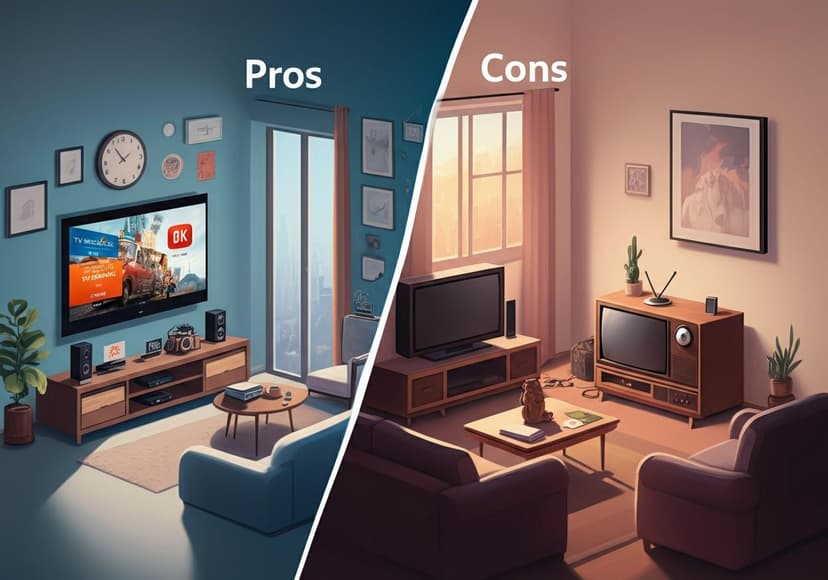
Various TV service options offer distinct benefits and drawbacks. Evaluate choices based on your viewing needs.
Choosing the right TV service can feel overwhelming, especially with so many options out there. Whether you're a fan of live TV, love on-demand content, or can't get enough of spirited sports, understanding the pros and cons of each TV service is crucial in finding the perfect fit for your entertainment needs. We'll explore this landscape, from traditional cable to modern streaming services, while shining a spotlight on important aspects like equipment and installation.
1. Cable TV: The Traditional Option
Cable TV has long been a staple in household entertainment. One major pro is the availability of premium channels such as HBO and Showtime, which often feature exclusive content. Typical packages also come with multiple stations, including those that showcase live sports, making it a fan favorite.
However, there are some downsides. Many cable providers require a long-term contract, which can limit your flexibility. Additionally, installation can be a hassle, often requiring a technician to come to your home and set up their bulky equipment. Equipment fees can also add up over time. To get the best quality, like HDTV or even 4K streaming, you might end up paying extra.
2. Streaming Services: The Modern Contender
Taking a leap into the 21st century, streaming services like Netflix or Hulu offer vast libraries of on-demand content. Pros include the absence of long contracts—you can often subscribe month-to-month. Plus, many services offer bundled packages, allowing you to combine streaming with regular TV for a flat rate.
But these services also have their drawbacks. While many now provide the option to watch live TV, their content usually pales in comparison to traditional cable in terms of channel variety. If you’re a sports junkie, you might find that certain channels are missing from streaming options. While sports packages are sometimes available, they can be pricey. Additionally, the quality of the viewing experience heavily depends on your internet speed.
3. Satellite TV: A Unique Blend
Satellite TV offers a different flavor for viewers. One major advantage is the availability of a wide array of channels, often including niche content. Similar to cable, many satellite providers offer robust sports packages and premium channels, making it an excellent choice for sports enthusiasts.
On the flip side, weather can severely impact the quality of your signal. This makes it less reliable during storms or heavy rain. Satellite services also typically come with a contract, along with fees for the necessary equipment>, including a dish and DVR. Unlike streaming, you have to manage the logistics of installation, which can be a pain point.
4. IPTV: The New Frontier
IPTV is becoming increasingly popular as it combines the features of both streaming and traditional TV. The pros include high-quality streaming (often in 4K) and versatile viewing options, including both live TV and on-demand content.
However, many IPTV providers lack customer support or reliable equipment for you to stream their offerings, which can be annoying. You might have to invest in additional technology or software to access your favorite shows. The absence of a contract can be liberating but also means that service changes can happen frequently. Bundling services might be more complicated than with traditional options.
5. The Impact of Bundling
One trend across various services is bundling—combining TV with other services like internet or phone plans. Bundling can save you money; you often receive discounts for selecting multiple services from one provider. For families or households using multiple services, this can simplify payments and provide added value.
Nonetheless, bundling can also lock you into a single provider. Family members may have different preferences for entertainment, making it tricky should a family member want to switch services. Equipment shared across bundled services often comes with added costs and upkeep responsibilities.
Conclusion: Making the Right Choice
In conclusion, each TV service type—from cable and satellite to streaming and IPTV—has its own set of pros and cons. Understanding how each service fits with your viewing habits is essential. Consider variables like equipment needs, installation logistics, and whether you're interested in live TV, on-demand content, or both. Ultimately, do your homework, and don't hesitate to check out diverse offerings. For more information on the best live TV streaming services, you can visit this helpful guide. And don't forget to explore options such as Xfinity's Choice TV and check out Music Choice for some excellent alternatives!