The Different Types Of Database Management Systems
They vary greatly, encompassing relational, NoSQL, and object-oriented models, each offering unique data management approaches.
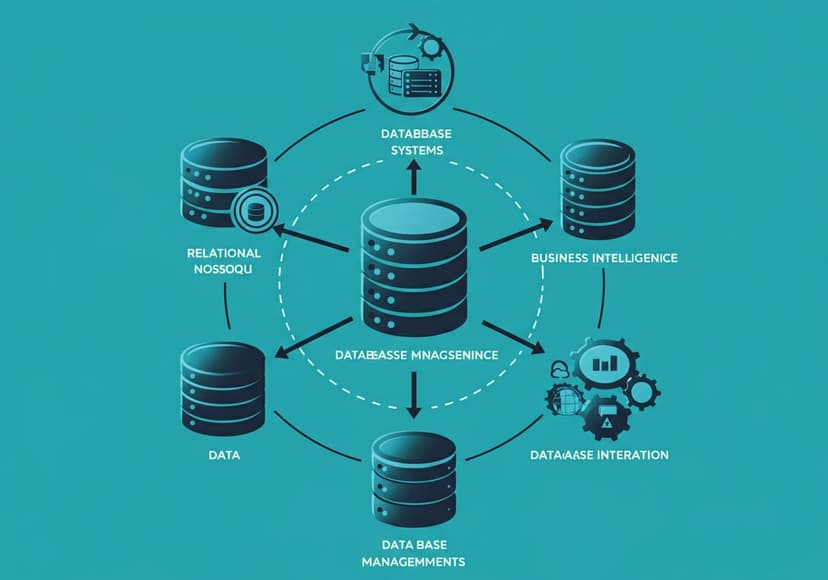
In today's digital age, effective Database Management has become a cornerstone of data-driven decision-making for businesses of all sizes. With the explosion of data, there are varying types of database management systems (DBMS) designed to cater to different data needs. This blog post will explore the main types of DBMS, touch on their unique functionalities, and highlight why understanding them is essential for efficient Database Administration.
Relational Databases
Let’s kick things off with Relational Databases, which are the most widely used database systems today. These databases organize data into structured tables that can be easily manipulated using standard languages like SQL (Structured Query Language). The beauty of relational databases lies in their ability to handle relationships between datasets efficiently, making them a popular choice for applications that require stringent data integrity. Businesses often rely on relational databases for their operations and transactions, making Database Security and Data Governance crucial topics within this category.
Nosql Databases
In contrast to relational databases, Nosql Databases offer flexibility in how data can be stored. They do not rely on conventional table structures, allowing for various data types—such as document, key-value, or graph databases. This flexibility is especially beneficial in environments where data formats can change rapidly, like social media platforms. As organizations increasingly venture into big data, NoSQL solutions are becoming a key player in Data Analytics and Data Integration tasks.
Cloud Databases
As businesses transition to digital landscapes, Cloud Databases have surged in popularity. These databases are hosted on cloud computing platforms, enabling organizations to tap into scalable resources without the need for physical hardware. This not only cuts costs but also simplifies Database Administration. Moreover, cloud databases often provide enhanced accessibility and disaster recovery solutions, which are essential for modern business intelligence operations.
Data Warehousing
Data Warehousing is another significant aspect of database management. Unlike traditional databases that cater to current data, data warehouses compile historical data from various sources, enabling organizations to conduct complex queries and analyses. By effectively organizing vast amounts of data, data warehousing plays a vital role in Business Intelligence. This cohesive data architecture helps decision-makers derive insight from comprehensive data without needing to sift through unrelated information.
Big Data Technologies
The term Big Data represents exponential growth in the volume and variety of data. To handle such an influx of information, specialized Database Management techniques are required. Technologies like Hadoop or Apache Spark are often used alongside traditional databases to manage and analyze massive datasets quickly and efficiently. This advancement pushes the boundaries of data analytics and can unleash tremendous value if utilized correctly.
Database Security and Data Governance
With all the discussions about data types and structures, we mustn’t overlook Database Security and Data Governance. Safeguarding sensitive information is paramount in an increasingly digital world. Businesses are responsible for ensuring that data integrity and privacy are maintained at all costs—whether they are managing relational, NoSQL, or cloud databases. Implementing robust security protocols and adhering to governance frameworks significantly impacts how well an organization can manage its data.
Data Integration
As companies change and grow, Data Integration becomes crucial. Integrating data from multiple sources helps in delivering consistent and coherent insights. By employing ETL (Extract, Transform, Load) processes, organizations can ensure that their databases remain up-to-date and comprehensive. This consistency is key to making informed business decisions that leverage all available data.
Conclusion
Understanding the different types of Database Management Systems is essential for effective Database Administration in today's data-centric world. Each system has its own strengths and weaknesses, whether you’re eyeing the dependability of relational databases, the flexibility of NoSQL, or the accessibility of cloud databases. As you navigate through the realm of data, continually consider the implications of database security, governance, and integration. If you're looking to enhance your skills further, check out Coursera's database management courses or learn more about effective database strategies at LBCC and UCI's database management program.
Posts Relacionados

10 Tips For Effective Video Conferencing
Master online meetings with these strategies: preparation, clear communication, and technical setup are vital.

10 Within Reach Online Social Work Courses
Explore accessible online social work courses for comprehensive education and professional development in this field.

9 Month Nursing Program Overview
This intensive program swiftly trains aspiring RNs, providing crucial skills for successful entry into nursing careers.