Senior Living Long Term Choices
Explore housing options like assisted living and nursing homes, ensuring comfortable, supportive environments for seniors needing care.
Understanding Senior Long Term Care
As we age, making decisions about our living arrangements becomes essential. Senior long term care encompasses a variety of services designed to meet the needs of older adults. This type of care can include anything from assistance with daily activities to more comprehensive medical care in skilled nursing facilities. The right choice often depends on the individual needs and preferences of seniors and their families.
Exploring Assisted Living Options
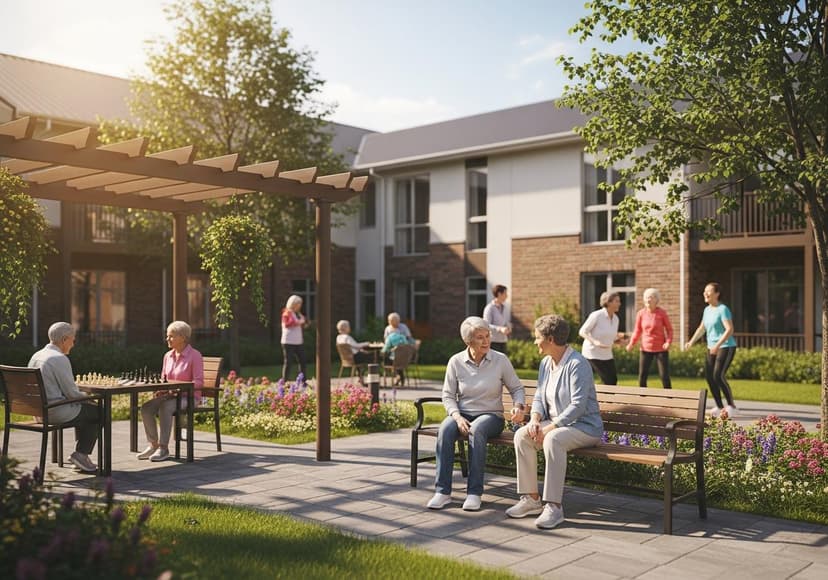
Assisted Living is one of the most popular options for seniors who need help with daily activities but want to maintain a level of independence. These communities provide various services, including meal preparation, medication management, and personal care. The environment is often social, allowing for engagement and community participation, which is vital for emotional well-being.
Nursing Homes: When More Care is Needed
For seniors requiring extensive assistance or medical care, a Nursing Home may be the answer. These facilities provide round-the-clock medical care and are staffed by healthcare professionals. The focus often shifts toward managing chronic illnesses or disabilities, ensuring that residents receive the necessary care for their health challenges. If you're considering this option, it's important to review the quality of care and the specific services offered by each prospective facility.
Memory Care Services
Memory care is a specialized type of assisted living designed to support those with memory-related issues, such as dementia and Alzheimer's disease. Facilities offering Memory Care provide environments that are secure and structured to help residents maintain a sense of familiarity and comfort. Staff members are usually trained to understand and manage the challenges associated with cognitive decline, ensuring a higher level of care tailored to individual needs.
Skilled Nursing Facilities: Advanced Care
Skilled Nursing Facilities offer the highest level of medical care outside of a hospital setting. They are often used for recovery after surgery or hospitalization, providing therapeutic services and rehabilitation programs. Understanding the need for such specialized care can be overwhelming, but these facilities play an integral role in improving health outcomes for seniors.
Continuing Care Retirement Community
A Continuing Care Retirement Community (CCRC) provides a comprehensive approach to senior living. These communities offer multiple levels of care, including independent living, assisted living, and skilled nursing, all within one campus. This model allows residents to transition between care levels as their needs change, making it a smart choice for those looking for security in their later years.
Independent Living: Embracing Autonomy
For seniors who are healthy and independent but seek a community setting, Independent Living can be an excellent choice. These living arrangements promote autonomy while providing social opportunities and some community services. Residents can often socialize in common areas or partake in community activities, contributing to a vibrant lifestyle while still feeling secure in their environment.
Understanding Long Term Care Insurance
Paying for senior care can be daunting, but Long Term Care Insurance can help alleviate some financial stress. It covers many services, including assisted living and nursing home care, allowing families to plan and budget for potential future needs. Researching and understanding policy options can be a crucial step in ensuring financial stability for seniors.
Home Health Care: Comfort of Familiarity
Home Health Care is another route for seniors who prefer to age in the comfort of their own homes. This option includes a range of services, from personal care to skilled medical assistance. A caregiver can come to the home to assist with daily activities or health-related tasks, providing personalized support tailored to the individual's needs. This choice can maintain a sense of control and familiarity for seniors and can significantly contribute to their quality of life.
Dementia Care: Specialized Attention
When considering care options, Dementia Care must be highlighted. Facilities specializing in dementia care are equipped to manage behaviors and challenges associated with memory decline. They provide a structured environment and staff trained to engage and communicate effectively with seniors experiencing cognitive difficulties. This approach can lead to a much higher quality of life for those affected.
Geriatric Care Management
Geriatric Care Management is another essential service for seniors and their families. Care managers can help navigate the complex landscape of senior living options, coordinating services, and ensuring that all medical and social needs are met. They provide valuable support by acting as advocates for the elderly, overseeing care quality, and assisting families with emotional and logistical challenges.
The Role of Palliative Care
Lastly, it’s important to address Palliative Care, a specialized form of medical care aimed at relieving symptoms and stress associated with serious illness. Unlike curative treatment, palliative care focuses on enhancing quality of life during one’s final years. It can be provided alongside other treatments and is applicable in various settings, including nursing homes, hospitals, or even at home.
Conclusion: Choosing the Right Care
Choosing the right long-term care option for seniors is a crucial decision that involves understanding personal needs, available services, and overall well-being. Resources such as this Washington guide, or Oregon's services page, can provide helpful insights. Ultimately, ensuring that seniors receive the proper support they need is the most important aspect of their long-term care journey.

Posts Relacionados

Age Restricted Communities Pros And Cons
Senior independent housing offers social opportunities but may limit interactions and independence for residents, affecting choice.

Benefits Of Independent Senior Living
These residences offer seniors a supportive community, promoting independence, socialization, and tailored services for well-being.
Benefits Of Senior Apartments
Senior living offers community, reduced chores, and tailored services, fostering independence and enhancing well-being.