Senior Housing Costs Explained
Budgeting for senior housing involves various costs: rent, services, and care. Explore options, understanding expenses, and financial aid.
As we age, the idea of Independent Living becomes an important aspect to consider. It is essential to understand the various options available for senior housing, like Assisted Living, Nursing Homes, and Memory Care. Every option comes with its own costs and features, making it vital to research and budget accordingly. In this post, we will explore different types of senior housing and the costs associated with each.
Understanding Senior Housing Costs
The costs of senior housing can widely vary based on the type of service and amenities offered. For instance, Independent Living typically requires a lower financial commitment compared to a Nursing Home or Skilled Nursing Facility. Many seniors opt for this type of housing because they need some support but still desire a level of independence. Various factors contribute to the overall cost, including location, amenities, and the level of care required.
Exploring Different Types of Senior Housing
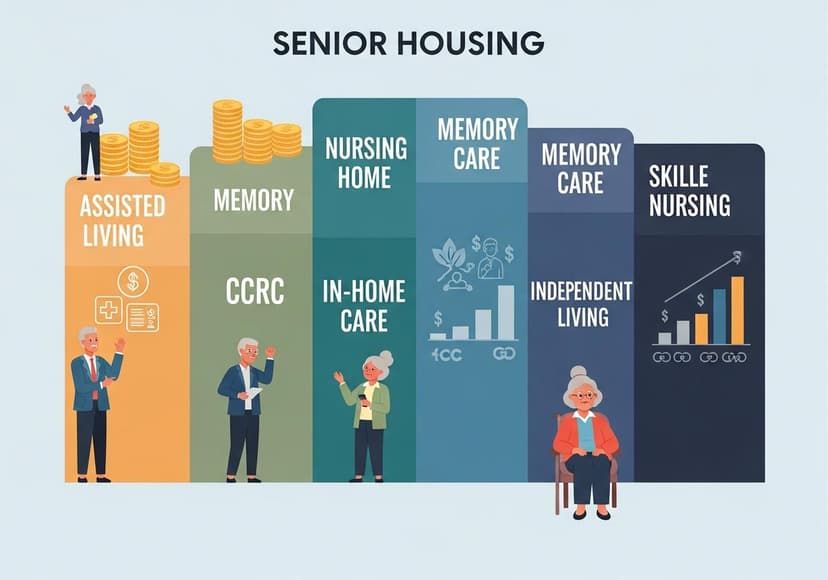
When it comes to senior housing, here are the primary options you should consider:
Independent Living offers a community setting, perfect for seniors who are generally healthy and active. Here, residents can enjoy social activities, dining options, and access to transportation without the need for round-the-clock care. Monthly costs may include rent, utilities, and maintenance, but can vary greatly depending on the community's location and amenities.
For seniors who may need assistance with daily activities like dressing, bathing, or medication management, Assisted Living is a perfect choice. This option combines support services with independence. Typical costs can range significantly based on the services provided. According to a recent article on budgeting for senior living, it's essential to understand these expenses when making your choice.
Nursing Homes and Skilled Nursing Facilities provide the most intensive care for seniors who require medical attention. Care may include physical therapy, wound care, or assistance with more serious health issues. The costs are generally higher for these facilities, as they provide 24/7 medical staffing and specialized services, often exceeding $100,000 annually.
Seniors living with Alzheimer’s or other forms of dementia may require Memory Care. This type of care offers specialized assistance tailored to the unique needs of these residents. Memory care facilities often come at a premium, with costs similar to those of skilled nursing facilities, averaging fittingly based on location and level of care.
Continuing Care Retirement Communities, or CCRCs, allow seniors to age in place. They offer a combination of independent living, assisted living, and skilled nursing care all in one community. Consequently, the costs can be high, but the flexibility they provide is often worth the investment. As you explore your options, keep in mind that these communities may require an upfront fee along with monthly service charges.
In-home Care: An Alternative to Community Living
Another option for seniors who want to maintain their independence is In-home Care. Here, caregivers assist with daily activities while seniors live in their own homes. This can be a cost-effective solution for those who do not require full-time support. Although you may not have the amenities of a retirement community, the benefits of staying in your own space can be invaluable. However, costs for in-home care can add up, so budget wisely.
Understanding Payment Options
Financing senior housing can sometimes be daunting, which is why understanding available payment options is essential. While some seniors pay out-of-pocket, many turn to governmental programs like Medicaid and Medicare to help cover their expenses. Medicaid offers assistance for long-term care, while Medicare typically covers short-term care and specific rehabilitation services. Learning about these programs can help alleviate financial stress.
Conclusion: Planning for Senior Housing
The transition to senior housing is a significant life change, and understanding the costs can make the process easier. Whether you're considering Independent Living, Assisted Living, or planning for future long-term care needs, evaluating all your options is crucial. Resources like Good Samaritan Society and various community programs can offer guidance and support for seniors and their families. Armed with knowledge about the different types of senior housing and their costs, you can make more informed decisions and ensure a comfortable living situation for your golden years.
Additionally, for those who want to explore budget-friendly communities, check this resource: Budget-Friendly Community for more insights.
Posts Relacionados

2023S Best No Fee Credit Cards
Find the best credit cards without annual fees, offering rewards, and perks to maximize savings.

2025S Best No Fee Credit Cards
Explore top-tier credit cards without annual fees, offering valuable rewards and benefits, maximizing financial flexibility and savings.

3 Ways To Save Money On Utilities
Conserve energy, compare providers, and monitor usage for simple ways to significantly reduce your bills.