Multi Factor Authentication Securing Your Digital Identity
It strengthens digital identity with multiple verification layers, ensuring robust security against unauthorized access using MFA.
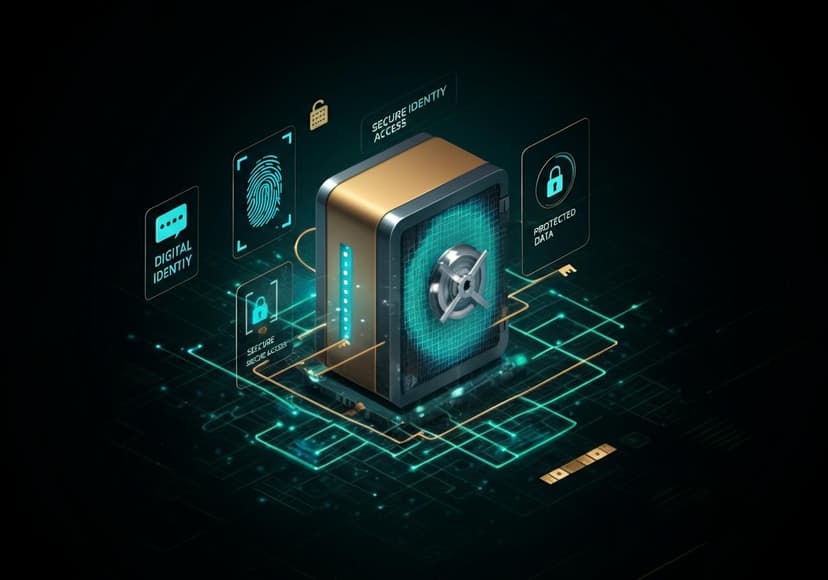
In an age where our lives are dominated by digital interactions, the need for robust Data Protection has never been more essential. We store a myriad of information online—from banking details to personal photos—and protecting this Digital Identity is essential. One effective way to secure this information is through Multi Factor Authentication (MFA).
What is Multi Factor Authentication?
Multi Factor Authentication is a security protocol that requires not one but multiple verifications before permitting access to an account. Instead of solely relying on a traditional Password, MFA adds layers of security that significantly reduce the chances of unauthorized access. The idea is simple: the more verification methods required, the more secure your account.
How Does MFA Work?
Typically, MFA combines something you know (like your password), something you have (like a smartphone or a security token), and something you are (like a fingerprint). This layered approach ensures that even if a cyber criminal manages to obtain your password, they would still struggle to access your account without the additional factors.
The Importance of Two-Factor Authentication
One of the most common forms of MFA is Two-factor Authentication (2FA). It adds an extra layer of identity verification. For instance, after entering your password, you might receive a text message with a one-time code that you also need to enter. This simple extra step can significantly elevate your cybersecurity and help keep your information safe.
Why Multi Factor Authentication Matters
Imagine if your social media or bank account was hacked, leading to identity theft or financial loss. It’s scary to think about! With MFA, even a small oversight, like a weak password, can become less of a risk. Using tools provided by experts in the field, you can employ MFA to protect your sensitive data effectively. Resources like CISA present crucial insights on setting up multi-factor systems tailored to your needs.
Privacy and Security Concerns
Privacy is a major concern in our interconnected world. You want to ensure that your digital identity is protected against potential breaches. Companies are increasingly implementing MFA as a standard practice for their customers. This shift not only reflects a commitment to security but also foster trust among users. Data protection isn’t just a feature; it’s a fundamental expectation in today’s digital age.
Implementing Multi Factor Authentication
So, how can you start incorporating MFA into your digital life? Many platforms have already integrated MFA options into their security settings. All you need to do is follow the prompts to set it up. You can also explore resources from trusted providers like IBM to help understand different methods available to secure your accounts.
Common MFA Methods
There are various methods of authenticating that can be employed in an MFA setup. SMS codes are common, as are authenticator apps like Google Authenticator or Authy. Biometric verifications, such as fingerprint scans or facial recognition, add more sophisticated layers of security. Employing these various methods means making it exponentially harder for any hackers or intruders to breach your accounts and steal your identity.
The Future of Cybersecurity
Looking ahead, as our reliance on digital services increases, so too will the importance of cybersecurity. More businesses are expected to adopt MFA as a standard practice. Companies like AWS also provide options to enhance your security with multifactor authentication. Staying up to date on security trends will help you better safeguard your digital space.
Conclusion
In summary, protecting your digital identity is more important than ever. With the growing threats of cybercrime, implementing Multi Factor Authentication can significantly bolster your online security. By enhancing identity verification processes, we can take proactive steps in safeguarding our privacy. Don't wait until it’s too late—prioritize data protection today and start using MFA to protect what matters most.
Posts Relacionados
Best Vpn Protection An Overview
VPNs provide enhanced online security and privacy by encrypting internet traffic and masking IP addresses effectively.
Cloud Iam Solutions And Management
Secure cloud access, data protection, and robust security measures ensure optimal results for overall data protection.
Cloud Security Popular Practices
Implement robust access controls, encryption, and continuous monitoring for a secure cloud environment.