Independent Living Pros And Cons
Choosing between living independently and assisted living depends on individual needs, with various pros and cons.
Understanding Independent Living
Independent living is often seen as one of the best options for older adults looking to maintain their independence while living in a supportive environment. Unlike assisted living or nursing homes, it allows seniors to live in their own apartment or home within a retirement community while enjoying certain amenities and services. However, before making this transition, it's essential to weigh the pros and cons.
Pros of Independent Living
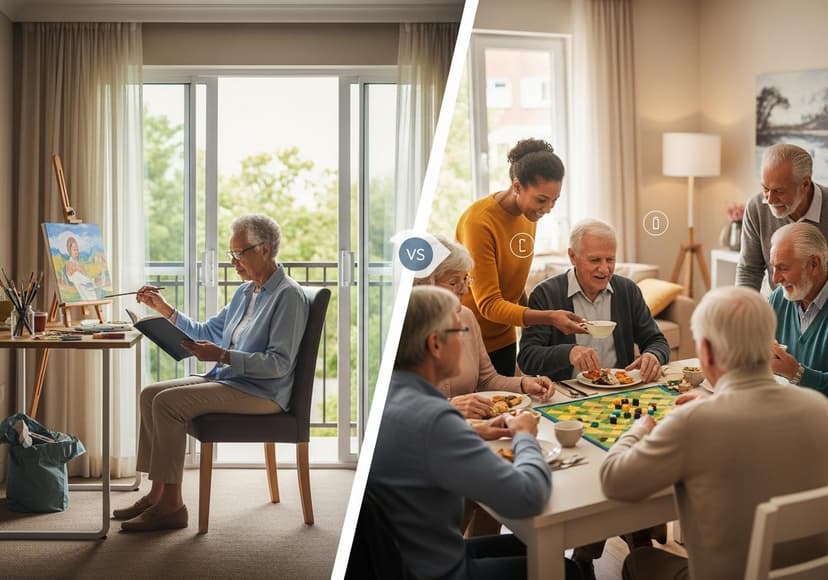
One of the primary benefits of independent living is the emphasis on aging in place. Many seniors thrive in these communities as they can enjoy autonomy without the constant support found in assisted living. Additionally, you'll find a vibrant community atmosphere where residents can engage in social activities such as games, classes, and outings.
Housing in continuing care retirement communities (CCRC) can vary from studios to larger apartments, catering to different financial plans. This flexibility allows seniors to choose the environment that best fits their lifestyle and needs without sacrificing independence. Furthermore, the availability of services like home care and memory care can add a layer of reassurance.
Cons of Independent Living
Despite the benefits, independent living does have its downsides. For one, residents may find themselves isolated if they aren’t actively participating in community events or making new friends. Unlike assisted living, where staff is available 24/7, independent living typically means that assistance may not be readily available at all times.
Furthermore, it can sometimes be misconstrued that independent living means living entirely on your own. If personal care and assistance are needed for tasks like bathing or taking medications, the home care services may not always be comprehensive. This could lead to potential safety concerns, especially for those with health issues or cognitive decline.
Comparing Independent Living and Assisted Living
Many families explore both independent and assisted living, but how do they compare? Independent living is generally more residential-focused with minimal support, while assisted living offers more comprehensive care tailored for seniors who might need help with daily activities. For those who may require memory care due to conditions like dementia, an assisted living facility could provide necessary support. This link between the two options is essential for families considering long-term care plans.
Cost Considerations in Independent Living
When evaluating independent living vs. other senior living options, cost is an important factor. Typically, independent living can be more affordable than a nursing home or full long-term care facility, but it can still be a significant expense. It is crucial to factor in monthly fees, which often cover utilities, amenities, and some basic services.
Additionally, many independent communities require a buy-in fee, which can add up. Families may want to look into the various pricing models, including the option of a Continuing Care Retirement Community (CCRC) where costs may include progressive care options as needs change. For those with limited budgets, exploring both home care services and independent living could serve as an effective solution.
Is Independent Living Right For You?
Ultimately, the decision of whether independent living is the right choice will depend on individual health and lifestyle choices. Some seniors desire social engagement, while others may prefer the stability of familiar surroundings. It's essential to weigh your options and consider future needs, especially if facing potential health declines.
In this exploration, especially for those concerned about conditions like dementia or needing dementia care, having a back-up plan in mind is beneficial. Engaging with family, seeking advice from healthcare professionals, and touring various facilities can provide insight into whether this lifestyle aligns with your goals.
To further understand differences between independent and assisted living options, check out this informative resource on the 5 differences between assisted living and independent living.
Conclusion
Independent living can provide a fulfilling environment for aging seniors looking to remain independent while still having access to community support. The choice comes with personal complexities and should be made after thorough consideration of all available resources. Whether deciding on independent living, assisted living, or another type of senior living arrangement, ensuring the selected option aligns with individual needs and lifestyles is essential for a successful transition.
If you're looking for more guidance on making this choice, check out this article discussing the difference between independent and assisted living.
Posts Relacionados

55 Plus Housing Options Overview
Discovering ideal living communities for those 55 and older requires careful regional exploration and consideration.

55 Plus Independent Senior Living A Guide For Seniors
Explore independent living options, offering seniors a fulfilling lifestyle with community and support tailored to their needs.

55 Plus Senior Communities A Guide For Retirees
These communities offer age-restricted housing and amenities for active adults, promoting social interaction and independent living.