How To Perform Air Pressure Test
Air pressure tests locate leaks in systems. This process ensures safety and optimal equipment performance.
Have you ever wondered how to ensure your building is energy efficient? One important method to achieve this is through an Air Pressure Test. This test not only helps in identifying leaks but also plays a crucial role in assessing the overall performance of your building. Imagine being able to discover hidden leaks that waste your energy and money? In this post, we will explore the ins and outs of conducting an air pressure test, its significance, and the tools you need!
What is an Air Pressure Test?
An Air Pressure Test is a procedure that measures the air tightness of buildings, ensuring they don’t allow unwanted air infiltration. Leaks in the building envelope can lead to increased energy consumption and decreased comfort levels. By performing this test, you engage in effective Leak Detection, allowing you to pinpoint areas that may need sealing or insulation. Not only does this improve your building’s performance, but it also enhances its energy efficiency.
Why is Air Pressure Testing Important?
Conducting an air pressure test is vital for various reasons. Firstly, it validates the effectiveness of your insulation and sealing strategies. You can collect essential data regarding Building Envelope Testing, giving you insight into your building's air tightness. Secondly, it can help identify areas of air leakage, which if left untreated, could lead to excessive energy costs. Energy Efficiency Testing can potentially save you money, while also reducing your carbon footprint.
Required Pressure Testing Equipment
Before you proceed with the testing, ensure you have the right Pressure Testing Equipment. The primary tool you will need is a blower door, which helps create a pressure difference between the inside and outside of the building. This can be achieved by using a fan mounted on a frame. For a detailed guide on how to set up a blower door test, check out this link. Additionally, having duct leakage testing equipment will significantly enhance your ability to evaluate air leaks in HVAC systems.
Steps to Perform an Air Pressure Test
Now that you have your equipment, let’s look at how to perform the Air Tightness Test. Start by sealing all openings in the building envelope, including windows and doors. Next, set up the blower door in an external doorway and ensure it fits tightly. Once everything is sealed, turn the blower on to create a pressure difference. This initiates the In Situ Testing process where you can measure the airflow rates and leaks in your building envelope.
Understanding the Results
The results of your Air Infiltration Test will provide essential information about the air leakage in your building. Units are usually given in air changes per hour (ACH), which indicates how many times the air within a defined space is replaced in an hour. It’s crucial to compare these results with the recommended standards for your type of building. A high ACH indicates potential issues that might require further investigation or sealing work.
Types of Tests Included in Air Pressure Testing
In addition to the primary air pressure test, there are other methods to ensure your building maintains its integrity. Duct Leakage Testing evaluates how much air escapes from your duct systems, which directly affects heating and cooling efficiency. Furthermore, Non-destructive Testing methods can be employed to inspect areas without causing damage, allowing for a thorough review without significant alterations.
Final Thoughts on Building Performance
Maintaining a well-sealed building envelope is crucial for energy efficiency. Performing an air pressure test can lead to better Building Performance Tests, intervention strategies, and long-term savings. If you uncover significant leaks, consider professional services to address these issues. Ultimately, better energy efficiency benefits not just your wallet, but also the environment!
Additional Resources
If you're looking for more in-depth information regarding pressure testing equipment and methods, feel free to visit this article. You may also explore various Energy Efficiency Testing tools at this link to improve your testing strategy.
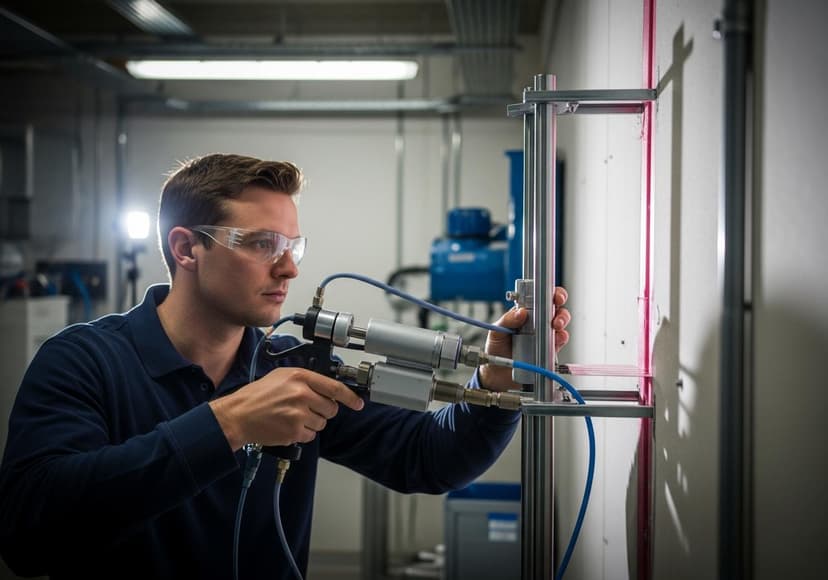
Posts Relacionados
10 Easy Energy Saving Habits For Your Home
Conserve energy at home: unplug electronics, use LED lights, adjust thermostat, seal windows, and embrace efficient appliances.
10 Tips For Home Energy Savings
Optimize home energy usage with these strategies for reduced bills and a smaller environmental impact.
3D Modeling Tools Beginners Guide
Discover user-friendly tools. Learn to create digital models, and bring your creative visions to life.