How To Implement A Zero Trust Vpn Solution
Verify identities, restrict network access, and continuously monitor for secure Zero Trust VPN implementation.
Understanding Zero Trust VPN
In today's ever-evolving digital landscape, security is more important than ever. Implementing a Zero Trust VPN solution has become a cornerstone strategy for many organizations. But what exactly does "Zero Trust" mean? It’s all about assuming that both internal and external networks are potentially compromised. Hence, the focus shifts to granting access only to verified users and devices. By adopting Zero Trust principles, organizations can significantly enhance their cybersecurity posture.
Key Components of Zero Trust Network Access
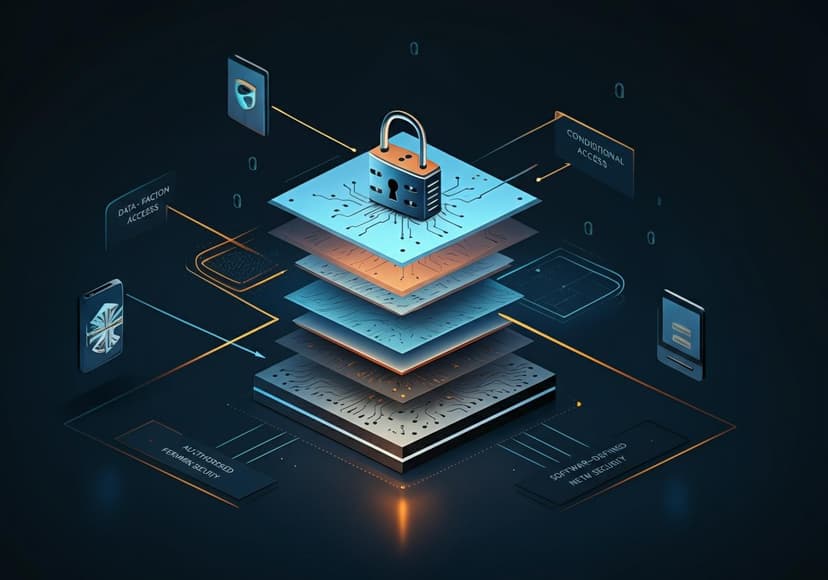
The concept of Zero Trust Network Access (ZTNA) relies on continuous monitoring and validating trust before allowing access to resources. ZTNA extends beyond traditional VPN solutions by incorporating a Software-defined Perimeter (SDP) that restricts access to applications based on real-time threat assessments. This is different from the standard approach, where trust is established once the user gains access to the network.
Implementing Microsegmentation
This is where microsegmentation comes into play. By dividing the network into smaller, manageable segments, organizations can limit the lateral movement of threats within the network. Each segment can enforce its own security policies based on the specific data and applications involved. With this level of granularity, you can ensure that even if a user is compromised, access to sensitive information remains tightly controlled and monitored.
The Role of Identity and Access Management
Effective Identity and Access Management (IAM) is essential for a successful Zero Trust VPN implementation. By employing IAM solutions, organizations can ensure that users are granted access based only on their specific roles and responsibilities. This principle ties back to the concept of Least Privilege, where users are limited to the bare minimum access necessary to perform their job. This greatly reduces the risk of breaches and potential data loss.
Enhancing Security with Multi-Factor Authentication
Another critical aspect of implementing a Zero Trust VPN is the use of Multi-factor Authentication (MFA). This adds an extra layer of security by requiring users to provide multiple forms of verification before gaining access. MFA significantly diminishes the chances of unauthorized access, making it a necessary component of any Zero Trust strategy. Think of it as a gatekeeper ensuring that only the right people enter your digital fortress.
Using Conditional Access Policies
Conditional Access mechanisms can be invaluable in reinforcing your Zero Trust VPN. These policies allow for dynamic decision-making based on user behavior, location, and device compliance. For example, if a user attempts to log in from an unusual location, conditional access can automatically flag this attempt and enforce additional authentication steps. This adaptability can significantly enhance your organization’s security posture against emerging threats.
The Importance of Continuous Monitoring
Implementing Zero Trust is not a one-time initiative; it requires continuous monitoring and adjustments. By continuously auditing the access patterns and behaviors, organizations can adjust their security postures proactively. Tools that can facilitate this monitoring, like the ones found at Twingate, provide a comprehensive view of network access, enabling quicker responses to potential threats.
Choosing the Right Zero Trust VPN Solution
When seeking a provider for your Zero Trust VPN solution, it’s essential to evaluate their capabilities in microsegmentation, IAM, and MFA. Look for vendors that integrate with existing infrastructures without creating bottlenecks. Solutions like those offered by Fortinet are tailored for enterprise solutions, ensuring security while enhancing user experience.
Conclusion: A Future with Least Privilege Security
In conclusion, implementing a Zero Trust VPN solution is a proactive approach to modern cybersecurity challenges. By focusing on principles like Least Privilege access, microsegmentation, and continuous monitoring, organizations can fortify their defenses against potential breaches. As threats become more sophisticated, embracing a Zero Trust mentality is no longer optional—it’s a necessity. If you're interested in diving deeper into Zero Trust Network Access, check out OpenVPN for more insights.
Posts Relacionados

5 Popular Practices For It Infrastructure Monitoring
Monitoring IT infrastructure requires vigilance. Implement these practices for improved performance, quick troubleshooting, and security.

5G Towers Are They Safe
Concerns about local 5G towers persist, focusing on potential health impacts, but no definitive conclusions exist for the area.

5G Towers Overview And Tips
Locating 5G towers requires checking coverage maps. Seek information from local providers about tower locations in the area.