Housing For Elderly Adults
Safe and affordable living spaces are essential for senior citizens' well-being and social engagement within communities.
Understanding the Different Types of Senior Housing
When we talk about housing for elderly adults, it's essential to understand the various options available. Many seniors find themselves needing a change in living arrangements due to health issues, lifestyle changes, or simply the desire for a more community-focused living environment. From independent living to nursing homes, the landscape of senior housing is diverse.
Each type of facility, like retirement communities or senior apartments, comes with unique benefits that cater to different needs. For example, continuing care retirement communities offer various levels of care all in one place, which is advantageous for aging individuals who may need to transition between levels of assistance.
Assisted Living: A Balance of Independence and Support
Assisted living facilities are designed for seniors who can still live independently but may need help with daily tasks such as bathing, cooking, or medication management. This type of housing offers a community atmosphere with activities, social events, and various amenities.
Families often observe that moving a loved one into assisted living provides a safer environment and a sense of companionship. These settings also offer a level of geriatric care tailored to the elderly, which can significantly improve their quality of life.
Nursing Homes: Higher Level of Medical Care
Sometimes known as skilled nursing facilities, nursing homes are suitable for seniors needing constant medical care and supervision. Unlike assisted living, nursing homes provide round-the-clock care for those dealing with serious health conditions. Nursing homes are often equipped to handle more complex health needs, including post-operative care.
Families may prefer nursing homes when their loved ones are diagnosed with conditions such as Alzheimer’s or dementia, where specialized memory care is crucial. For more information about such resources, consider visiting this link for various support options.
Memory Care: Specialized Support for Cognitive Impairment
For elderly adults suffering from memory-related issues, memory care facilities offer tailored programs focused on their unique needs. These facilities take special care of residents with Alzheimer’s or other forms of dementia through structured activities and routines that promote mental engagement.
Memory care staff are trained specifically to help residents in these settings, offering therapies and strategies that can help maintain cognitive function and enhance their quality of life.
Independent Living: The Choice for Active Seniors
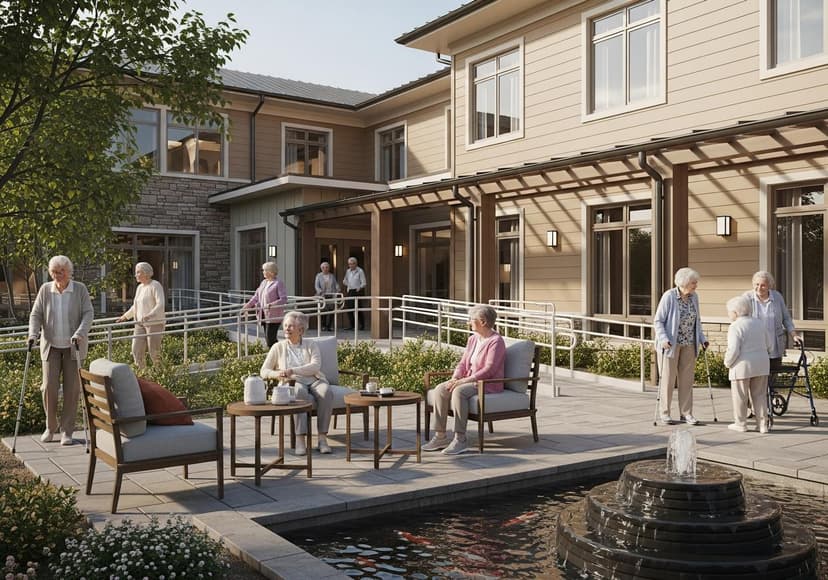
Independent living communities cater to seniors who desire an active lifestyle without dealing with home maintenance duties. These facilities often have features like recreational programs, fitness classes, and social gatherings. They serve as a great opportunity for seniors to make new friends while enjoying their independence.
Within these communities, residents can still access support services if needed. It’s essential for families to ensure their loved ones can thrive and feel socially engaged while living independently.
Retirement Communities: A Social Hub for Seniors
Another popular option is retirement communities, specially designed for seniors who want to live in a vibrant atmosphere filled with various activities. From cultural events to excursions, these communities are focused on providing fulfilling experiences.
Moving into a retirement community can greatly benefit social interaction, helping to combat loneliness and isolation that many older adults face.
Continuing Care Retirement Communities: Lifelong Care
For those who wish for stability and care as they age, continuing care retirement communities (CCRCs) are an excellent choice, offering a comprehensive approach to addressing changing needs. CCRCs provide various levels of care, from independent living to skilled nursing facilities, all in one location.
This structure allows residents to stay within the same community as their needs evolve, fostering familiarity and continuity in their lives. It’s an attractive option for families wanting peace of mind about their loved ones’ future care.
Housing for Elderly: Resources and Support
Finding the right housing for elderly individuals can be a daunting task, but resources are available. Many organizations and government websites provide assistance in locating senior housing options. In New York, for example, the NYC Department of Housing Preservation and Development offers extensive resources for elder care.
In addition, local housing authorities like the one in Phoenix also have dedicated programs to support seniors in finding suitable living arrangements. You can explore these options by visiting this link.
Conclusion
Choosing the right housing arrangement for elderly adults is no small feat. The variety of options available allows families to find an environment that meets seniors' unique needs. Understanding different types of care, from long term care facilities to independent living, is crucial in ensuring peace of mind for families. Each individual's needs are different, so assessing the available resources and support can lead to the best decision.
Posts Relacionados

Age Restricted Communities Pros And Cons
Senior independent housing offers social opportunities but may limit interactions and independence for residents, affecting choice.

Benefits Of Independent Senior Living
These residences offer seniors a supportive community, promoting independence, socialization, and tailored services for well-being.
Benefits Of Senior Apartments
Senior living offers community, reduced chores, and tailored services, fostering independence and enhancing well-being.