Healthcare Planning For Elderly
Navigating senior medical expenses requires careful planning to secure financial stability for necessary treatments and medications.
Understanding Healthcare Needs
As our loved ones age, ensuring their health and well-being becomes a top priority. Healthcare planning for the elderly is not just about choosing the right doctors; it's about bringing together various healthcare services tailored to their individual needs. Vision care, in particular, plays a significant role in maintaining the quality of life for the elderly—because good eyesight contributes to independence and mobility.
Vision Care: A Key Component
Regular eye exams and proper vision care can prevent a range of health issues among the elderly. Conditions like glaucoma, cataracts, and macular degeneration can significantly affect one’s life. Often, vision problems are overlooked during general health screenings. Financial planning for vision care can also relieve some burden; knowing about programs that can help with costs is essential. Organizations like the National Council on Aging provide resources that can aid in understanding costs associated with vision care. Visit here for more information.
A Comprehensive Approach to Healthcare Planning
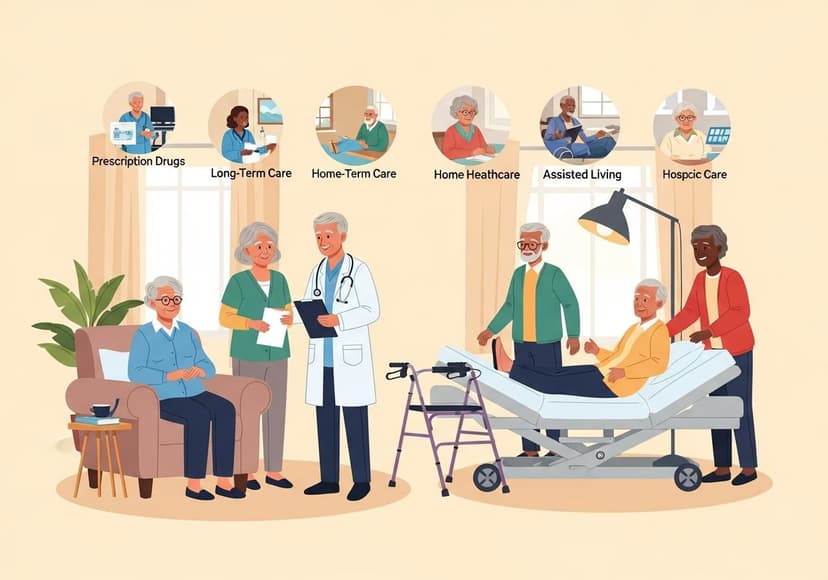
Besides vision care, elderly healthcare encompasses a variety of essential services. Understanding these services ensures holistic care. Starting with prescription drugs, elderly patients often require medication for chronic illnesses, making it critical to budget for pharmacy costs. Additionally, planning for long-term care needs is essential for seniors who may suffer from debilitating conditions.
Home Healthcare Services
For many elderly individuals, the thought of moving to a different living facility can be overwhelming. Home healthcare services allow them to receive care without leaving the comfort of their homes. Services can range from professional medical assistance to personal care aides offering daily support. Moreover, with advancements in durable medical equipment, seniors can maintain their independence at home through tools like walkers, wheelchairs, and other necessary devices.
Considerations for Assisted Living
Assisted living facilities cater to seniors who may need help with daily activities but do not require the intensive care offered in a skilled nursing facility. These facilities often provide assistance with medication management, meal preparation, and social activities, allowing seniors to live with dignity and purpose. It's essential to consider how home healthcare can complement services offered by assisted living to create a seamless transition for an elderly loved one.
Therapeutic Services: A Path to Recovery
Recovery from illnesses or surgeries may necessitate physical therapy, occupational therapy, and sometimes even speech therapy. These therapies can significantly improve a senior’s quality of life, helping them regain independence in their daily activities. Seeking therapy is not just about recovery; it’s also an essential component of ongoing healthcare planning. Ensuring that these rehabilitation services are accessible at home or at a facility is crucial.
The Importance of Hospice Care
When circumstances lead to terminal illnesses, hospice care becomes paramount. Providing compassionate care during such challenging times helps ensure that elderly individuals and their families have the utmost support. Hospice care focuses on quality of life, alleviating suffering, and giving families much-needed guidance—a crucial aspect of healthcare planning.
Insurance and Financial Considerations
Planning for healthcare expenses can feel overwhelming, but resources are available to help navigate through options. Many seniors might be eligible to receive assistance through Medicare or Medicaid, covering various services such as dental care, vision care, and even some home healthcare expenses. Additionally, looking into local programs can provide added support. For details on how to address medical bills, check out this link: here.
Wrapping Up Healthcare Planning
In conclusion, effective healthcare planning for the elderly requires a multifaceted approach that prioritizes vision care, ongoing medical support, and a solid understanding of financial resources available. By considering all aspects—from medications to long-term care decisions—families can ensure that their elderly loved ones receive the care and respect that they deserve as they navigate their golden years. Empower your elderly loved ones with the right healthcare plans, and let them continue to cherish life with dignity.
Posts Relacionados

55 Plus Housing Options Overview
Discovering ideal living communities for those 55 and older requires careful regional exploration and consideration.

55 Plus Independent Senior Living A Guide For Seniors
Explore independent living options, offering seniors a fulfilling lifestyle with community and support tailored to their needs.

55 Plus Senior Communities A Guide For Retirees
These communities offer age-restricted housing and amenities for active adults, promoting social interaction and independent living.