Geriatric Emergency Seniors Medicine
Complex needs require specialized care. Optimize outcomes with prompt assessment, tailored interventions, and holistic approaches for the elderly.
What is Geriatric Emergency Medicine?
Geriatric Emergency Medicine is a specialized field that focuses on the care of older adults in emergency settings. As the population ages, the demand for Senior Emergency Care has grown significantly. Older adults are more prone to complex medical issues, making it imperative for emergency medical professionals to be educated in Acute Geriatric Conditions.
In essence, Geriatric Emergency Medicine aims at preventing morbidity and mortality in this vulnerable population by providing tailored approaches to Elderly Healthcare. Understanding the unique needs of seniors ensures they receive the appropriate care without unnecessary complications.
Emergency Rooms Designed for Seniors
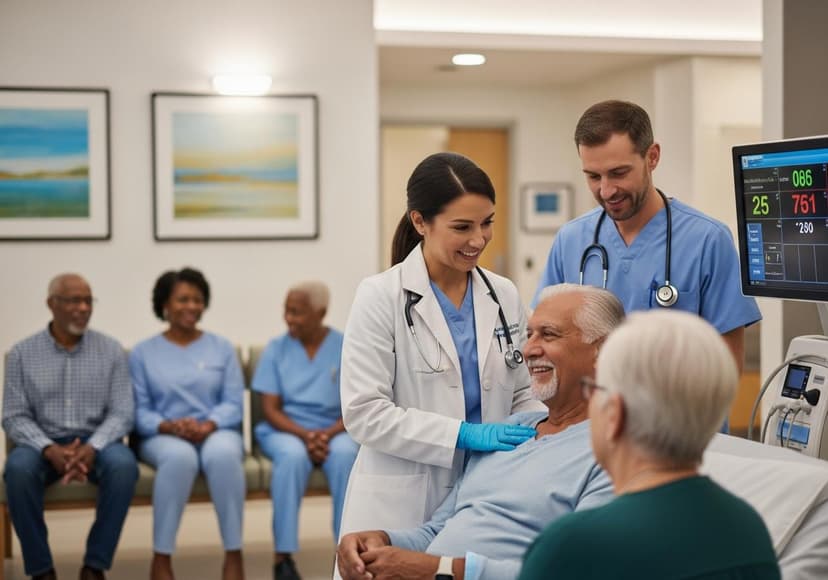
Elderly patients often require specific attention when visiting the Emergency Room For Seniors. Traditional emergency rooms may not have the resources or staff trained specifically in geriatric care. That's why some hospitals are adopting dedicated units for seniors, staffed with specialists who understand the complexities of Geriatric Trauma.
In these facilities, staff is trained to recognize signs that may be overlooked in younger patients. A fractured hip, for instance, can present differently in older adults compared to younger individuals. Addressing these differences allows for better outcomes and enhances the overall experience for patients and their families.
Senior Health Crisis: When to Act?
A Senior Health Crisis can emerge from seemingly minor issues. Common signs that may warrant emergency attention include confusion, sudden weakness, or severe dehydration. It’s vital for caregivers and family members to be aware of these red flags and not hesitate to seek care when needed.
Delayed treatment can aggravate existing conditions, leading to worse outcomes. Facilities providing Critical Care For Elderly aim to minimize complications by addressing these concerns promptly. However, navigating the healthcare system can be daunting; having a reliable point of contact, such as a geriatrician, can make a world of difference.
Emergency Geriatric Assessment Explained
One key element in Elderly Patient Management during emergencies is the Emergency Geriatric Assessment. This process evaluates the patient’s medical history, cognitive functioning, and social circumstances quickly to devise an immediate treatment plan.
Skills in Advanced Geriatric Medicine are critical during this assessment, as treatment often needs to be multifaceted and rapid. For instance, medication dosages and treatment protocols may differ significantly for seniors compared to younger adults. Fine-tuning the approach for elderly patients maximizes the chances of a full recovery.
Urgent Care for Seniors: A Growing Necessity
With the unique healthcare challenges faced by older populations, the availability of Urgent Care For Seniors has become increasingly necessary. These facilities cater specifically to geriatric patients, offering specialized service designed to manage their distinct medical needs.
By providing a facility where elderly patients can receive timely intervention outside traditional emergency rooms, we can manage conditions more effectively. For instance, an elderly patient may need immediate but non-emergency treatments such as pain management or minor injury care. Urgent care centers dedicated to seniors can fulfill these needs without subjecting patients to the chaos often found in regular emergency rooms.
Effective Elderly Patient Management
Effective Elderly Patient Management hinges on comprehensive strategies tailored to the elderly. This includes understanding changes in physiology and pharmacology in older adults, as well as recognizing the importance of family and caregivers in the treatment process.
As stated in studies like those found on PubMed, having a solid support system can significantly impact recovery and long-term health of seniors. It helps convey vital information that medical professionals may need to tailor their approach. This angle encompasses managing long-term conditions and coordinating continuous care post-discharge.
Conclusions: The Path Ahead
In summary, the realm of Geriatric Emergency Medicine plays a vital role in shaping the future of Elderly Healthcare. It encompasses a myriad of aspects including timely assessments, prompt interventions, and family support in addressing Senior Health Crisis. As the healthcare landscape evolves, embracing these specialized services ultimately leads to better health outcomes and improved quality of life for seniors.
The journey of enhancing care for seniors is ongoing. For more information about senior emergency services, check out Tower Health to learn about initiatives and programs available to assist this growing demographic.
For more insights on senior health safety and emergency services, refer to Health Missouri.
Posts Relacionados

55 Plus Housing Options Overview
Discovering ideal living communities for those 55 and older requires careful regional exploration and consideration.

55 Plus Independent Senior Living A Guide For Seniors
Explore independent living options, offering seniors a fulfilling lifestyle with community and support tailored to their needs.

55 Plus Senior Communities A Guide For Retirees
These communities offer age-restricted housing and amenities for active adults, promoting social interaction and independent living.