Fiber Internet The Pros And Cons
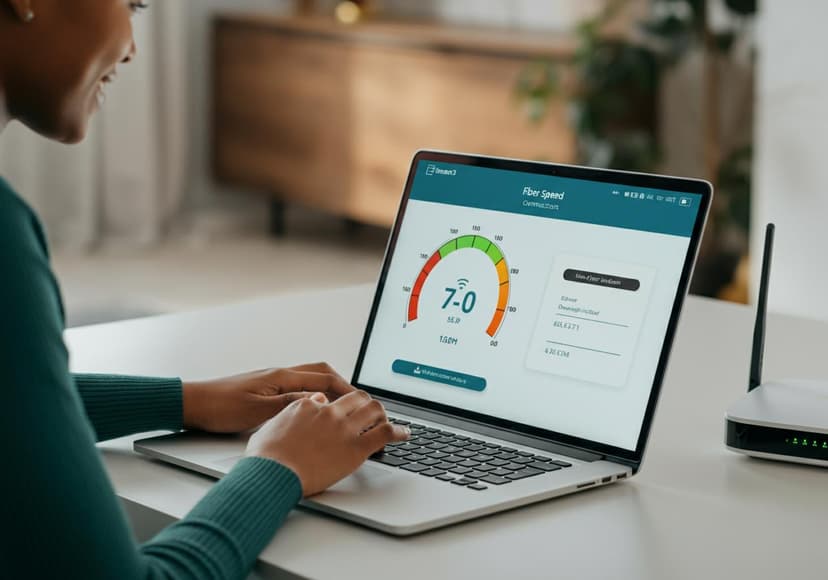
Fiber availability at your address offers fast speeds, reliable connectivity, but may have limited providers.
Are you thinking about upgrading your home internet service? If so, you’ve probably come across the term "fiber internet." It’s one of the latest buzzwords in the world of broadband internet, but what does it really mean? In this post, we’ll explore the pros and cons of fiber internet so you can make an informed decision. Let’s dive right in!
What is Fiber Internet?
Fiber internet utilizes fiber-optic lines made of glass or plastic to carry data as pulses of light. This technology allows for incredibly fast internet speeds and reliable performance. When we talk about upload speed, fiber internet beats out many traditional services, including DSL and cable, by offering symmetric upload and download speeds. This means you can upload files just as quickly as you can download them!
The Pros of Fiber Internet
One of the biggest advantages of fiber internet is its speed. Whether you’re streaming videos, gaming, or working from home, faster internet connections can significantly enhance your experience. Fiber internet plans often provide speeds of up to 1 Gbps or even higher, depending on your internet service provider. With such high download speeds, you’ll never have to experience buffering during your favorite shows again.
As mentioned earlier, one major highlight of fiber internet is its superior upload speed. This is especially beneficial for content creators, gamers, and remote workers who often need to upload large files or manage video calls without lag. Cloud storage, backups, and sharing files become a breeze with high upload speeds. So if you frequently upload videos or share large attachments, fiber internet may be your best choice.
Fiber optic technology is less susceptible to interference compared to other forms of broadband internet like cable or DSL. This means that you’re less likely to experience slowdowns during peak hours. Reliability is key for those who depend on their internet connection for work or leisure, making fiber a worthy option for many.
As more devices connect to the internet, the demand for bandwidth continues to rise. Fiber optics are capable of scaling up to meet future needs, allowing your home to stay up-to-date with advancements in technology. Although some internet service providers may not yet offer fiber, it’s one trend that seems to be here to stay. Future-proof your connection by choosing fiber!
The Cons of Fiber Internet
One of the major downsides of fiber internet is its limited availability. Not all regions have access to fiber optic networks yet. You may need to check with your local internet service providers to see if fiber is an option at your address. If you find that fiber isn’t available, consider looking into other high-speed internet plans, but remember that they may not offer the same performance.
Fiber internet is often more expensive than traditional cable or DSL services. Depending on where you live, the installation fees could also be higher. But think of it this way: if you’re getting superior speed and reliability, the investment may very well be worth it. Check sites like BroadbandNow for competitive pricing in your area to help you make an informed decision.
Although many service providers are ramping up their fiber installations, connecting to fiber may take some time. In some cases, it might require more complex installations compared to traditional internet lines. Check in with your installer and manage expectations regarding timelines.
In some instances, you may need specific equipment to maximize the potential of fiber internet. This could mean upgrading your router or other hardware to ensure compatibility. While many modern routers support fiber, it’s a good idea to confirm with your provider before signing up.
Final Thoughts
In conclusion, switching to fiber internet has its pros and cons. With fast upload speeds, reliability, and the ability to future-proof your home’s connectivity, it’s certainly an attractive option for many users. However, availability, cost, and installation challenges can present obstacles. If you’re considering making the switch, be sure to evaluate your options, provider plans, and whether fiber is available in your area. You can also explore Google Fiber for what could be a game-changer in your internet access!
So what do you think? Is fiber internet the right choice for you? Feel free to share your thoughts and experiences in the comments below!
Posts Relacionados

5 Popular Practices For It Infrastructure Monitoring
Monitoring IT infrastructure requires vigilance. Implement these practices for improved performance, quick troubleshooting, and security.
5G Towers Are They Safe
Concerns about local 5G towers persist, focusing on potential health impacts, but no definitive conclusions exist for the area.
5G Towers Overview And Tips
Locating 5G towers requires checking coverage maps. Seek information from local providers about tower locations in the area.