Fall Risk Assessment With Sensors
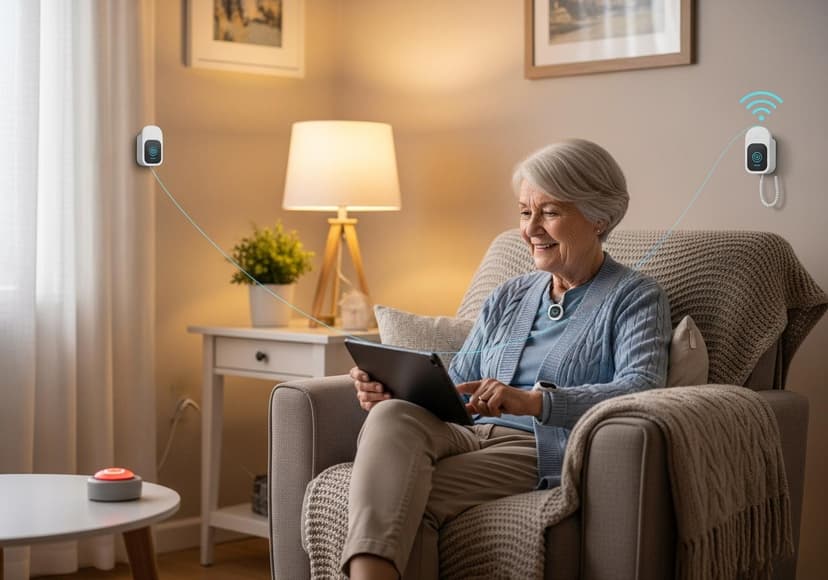
Seniors' falls are detected using sensors, enabling early intervention, promoting safety, and improving overall well-being with technology.
As our loved ones age, ensuring their safety becomes a top priority. One of the most significant risks for seniors is falling. Statistically, falls are a major concern for the elderly, leading to severe injuries and sometimes even fatalities. This is where Fall Risk Assessment with advanced sensors comes into play. By incorporating technology into elderly care, we can enhance home safety for seniors and promote aging in place with confidence.
The Role of Fall Detection Systems
Modern gadgets like smart fall sensors and wearable fall detectors have revolutionized how we manage fall risks. These devices work by continuously monitoring the user’s movements and behaviors. In case of a fall, they instantly alert caregivers or family members through a personal emergency response system. This swift action can make a difference in mitigating the consequences of a fall.
Understanding the Technology Behind Fall Monitoring
Many advanced fall monitoring systems utilize a mix of accelerometers, gyroscopes, and other sensors to detect unusual patterns in movements. For instance, a sudden drop in height may indicate a fall. When paired with algorithms, these technologies can accurately determine whether an emergency situation has arisen. Studies, like those found in MDPI, reveal how these systems are continuously improving, ensuring greater reliability and faster response times.
Beyond Just Detection - Proactive Approach to Falls
While senior fall detection is essential, prevention strategies also play a crucial role in reducing the risk. Implementing technology for elderly fall prevention often involves integrating various devices, including sensors placed strategically throughout the home, such as in bathrooms and hallways. These sensors can not only alert when a person has fallen but also monitor high-traffic areas that pose a significant risk.
Benefits of Wearable Fall Detectors
Wearable fall detectors, such as smartwatches or bands, offer both mobility and responsiveness. Users can wear them comfortably throughout the day without feeling restricted. These devices extremely enhance the safety of seniors living independently. Moreover, the data collected from these wearables can assist in remote patient monitoring, enabling healthcare professionals to track the well-being of seniors in real-time and providing insights into their physical health.
Enhancing Assisted Living Technology
Integrating these modern technologies into assisted living technology provides a holistic approach to senior care. Not only does it offer immediate responses in emergencies, but it also fosters a sense of security for the elderly and their families. Many families are hesitant to move elderly loved ones into assisted living facilities, preferring to support them in aging in place. With these innovative solutions, families feel reassured knowing that there are systems in place to support their loved ones.
Medical Alert Systems – A Game Changer
Many medical alert systems are designed to fit seamlessly into daily life. With the click of a button, seniors can directly communicate with emergency responders. This can be especially vital if they are alone when an incident occurs. Furthermore, these systems can integrate with other smart technologies in the home, creating a comprehensive safety net.
The Importance of Continuous Monitoring
Continuous monitoring is key to ensuring safety. Innovative fall detection systems can send alerts not just during falls but also when a user enters or exits certain areas of the home. This technology can be linked to remote patient monitoring services that enable caregivers to keep track of their loved one's movements throughout the day, providing peace of mind and ensuring timely interventions whenever necessary. Research such as seen in INFORMS emphasizes the need for constant development in monitoring solutions.
Your Next Steps for a Safer Home
For those helping elderly loved ones live independently, it is crucial to evaluate the available options for home safety for seniors. Consider integrating a mix of smart fall sensors, wearable fall detectors, and personal emergency response systems into your safety plan. Also, engage seniors in the selection process, ensuring they feel comfortable and confident using the devices.
Final Thoughts on Fall Risk Assessment
The journey to secure aging in place is paved with thoughtful considerations and modern technology. By adopting the right tools and solutions for fall risk assessment and prevention, we can create a supportive environment that promotes independence while ensuring safety. As technology continues to evolve, so will the capabilities of fall detection systems, empowering seniors to live their golden years confidently.
For further reading and deeper insights, check out this article on NCBI, which discusses innovative approaches to elderly care and the growing importance of technology in maintaining their well-being.
Posts Relacionados

55 Plus Housing Options Overview
Discovering ideal living communities for those 55 and older requires careful regional exploration and consideration.

55 Plus Independent Senior Living A Guide For Seniors
Explore independent living options, offering seniors a fulfilling lifestyle with community and support tailored to their needs.

55 Plus Senior Communities A Guide For Retirees
These communities offer age-restricted housing and amenities for active adults, promoting social interaction and independent living.