Factors Affecting Memory Care Facility Costs
Costs vary, influenced by location, services, and care needs. These aspects impact pricing significantly.
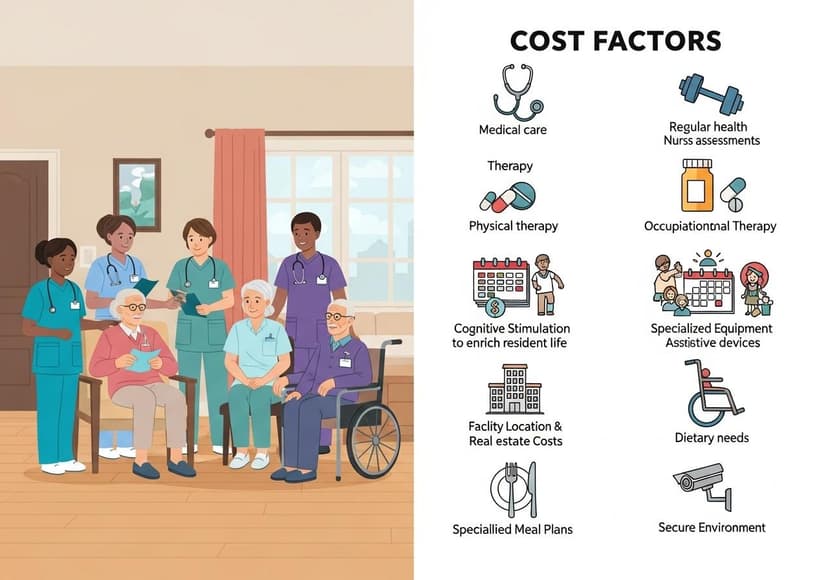
When considering memory care for a loved one, it's crucial to understand that costs can vary significantly. Numerous factors come into play in determining these expenses. Whether it's staffing costs, medical care, or the amenities offered, it's essential to do your homework. This article explores the primary factors that can influence the costs of memory care facilities, ensuring you make an informed decision for your family.
Staffing Costs
One of the most significant contributors to memory care facility costs is staffing. Facilities often require a higher staff-to-resident ratio to ensure personalized care for individuals with memory issues. This includes nurses, caregivers, and support staff trained specifically in handling the unique challenges associated with memory disorders. Higher staffing levels mean increased costs, but they also correlate with better quality of care. After all, peace of mind comes from knowing your loved one is receiving adequate attention and support.
Medical Care
Medical care needs can vary widely among residents, affecting overall costs. Some individuals may require specialized care or frequent physician visits, leading to increased expenses. Facilities that provide onsite medical care or have strong ties with local healthcare providers may incur higher costs, but they may also offer more convenient access to necessary services. To learn more about Medicare and its coverage options for memory care, you can explore this comprehensive guide.
Therapy Services
Cognitive and physical therapy play critical roles in enhancing the quality of life for individuals in memory care. Facilities that offer these services can charge higher rates due to additional staffing and specialized training. Therapy not only aids in maintaining physical health but also minimizes the progression of memory-related issues, creating a holistic care environment. Thus, investing in facilities that offer robust therapy services can pay dividends in the long run.
Medications
Many residents of memory care facilities will require medications to manage their conditions. The cost of these medications can vary significantly based on individual health requirements. Some facilities include medication management in their monthly fees, while others may charge separately. Understanding these potential costs, along with what’s included in your monthly fee, is vital for creating an appropriate budget for care.
Activities and Programs
Engagement is crucial for those in memory care. Facilities that offer a variety of activities and social programs often incur higher operational costs but can greatly enhance residents' quality of life. Daily activities may include art therapy, music sessions, or physical fitness programs tailored to cognitive needs. Facilities that prioritize this aspect may charge more but can significantly improve the overall happiness and engagement of their residents.
Specialized Equipment
Some memory care facilities may invest in specialized equipment to assist with daily activities. This could range from mobility aids to advanced monitoring systems designed to ensure the safety of residents. While these additions do increase costs, they can significantly contribute to the security and comfort of your loved one. Assessing how these features are integrated into the facility's care can help you gauge value relative to cost.
Facility Size and Location
The size of the memory care facility and its location are also key factors affecting care costs. Larger facilities may benefit from economies of scale, impacting pricing positively. Conversely, facilities in urban areas may have higher prices due to increased demand and higher operational costs. Before making a decision, consider both the facility's size and location in relation to your budget and needs.
Amenities
The amenities offered by memory care facilities can dramatically influence costs. Luxurious options like private rooms, landscaped gardens, or gourmet dining will drive prices up. While these extras can enhance the quality of life, they might not be necessary for all residents. It’s important to evaluate what amenities are essential for your loved one and whether they justify the additional expense.
Dietary Needs
Dietary requirements can also lead to fluctuations in care costs. Facilities that offer tailored meal plans based on health needs—think low-sugar or gluten-free options—may charge extra for this personalized service. High-quality meals that cater to specific dietary restrictions can improve the physical health of residents, making this an important area to consider when evaluating facility costs.
Security Features
Security features are an essential consideration in memory care facilities. Enhanced safety protocols, such as secured entry and video monitoring, are crucial for preventing residents from wandering and ensuring their safety. While these features do add to the facility’s costs, they also provide peace of mind for families knowing that their loved ones are in a safe environment.
Insurance and Coverage
Understanding how insurance impacts memory care costs is a vital component of planning. Some insurance plans may cover certain aspects of care, while others may not. It’s wise to familiarize yourself with the specifics of your insurance policy to know what assistance is available. Resources like financial planning for care costs can offer further guidance.
Administrative Fees
Lastly, many facilities involve administrative fees that can impact the monthly cost significantly. These fees may cover aspects such as enrollment processes, monthly assessments of care needs, or facility upkeep. It’s essential to inquire about these costs upfront and factor them into your budget. Uncovering all associated administrative fees early can avoid unexpected financial burdens later.
In conclusion, while the cost of memory care facilities can seem daunting, understanding these various factors can help you navigate your options. Keeping in mind that costs often reflect care quality, be sure to prioritize what matters most for your loved one. The right facility will not only provide quality care but also foster an environment that promotes well-being and happiness.
Posts Relacionados

55 Plus Housing Options Overview
Discovering ideal living communities for those 55 and older requires careful regional exploration and consideration.

55 Plus Independent Senior Living A Guide For Seniors
Explore independent living options, offering seniors a fulfilling lifestyle with community and support tailored to their needs.

55 Plus Senior Communities A Guide For Retirees
These communities offer age-restricted housing and amenities for active adults, promoting social interaction and independent living.