Data Management Systems Short Overview
Efficiently organize, store, and retrieve information. This is essential for informed decision-making processes.
Understanding Data Management
In the digital age, organizations generate massive amounts of data. Managing this data effectively is not just an option; it's a necessity. This is where Data Management Systems (DMS) come into play. A well-implemented DMS helps to handle data governance, security, quality, and much more. The primary goal of a DMS is to ensure that data is accurate, accessible, and secure—enabling better decision-making and operational efficiency.
Key Components of Data Management Systems
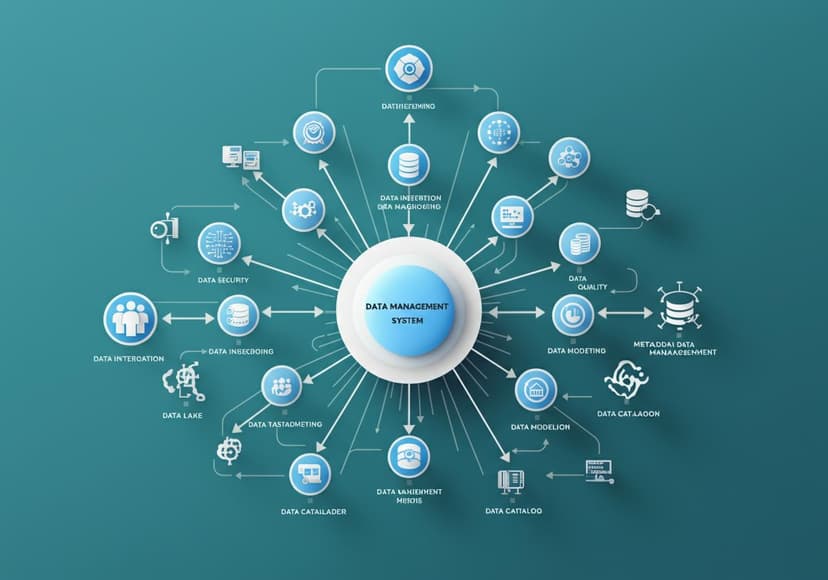
Several critical components constitute the backbone of a DMS. These include Data Governance, Data Quality, Data Security, among others. Data Governance focuses on the management of data availability, usability, integrity, and security. Without proper governance, data can quickly become chaotic and unreliable.
Data Integration and Warehousing
Data Integration plays a vital role in bringing together disparate data sources into a cohesive whole. It enables organizations to combine data from various platforms, ensuring harmony and consistency. Meanwhile, Data Warehousing serves as a centralized repository where large amounts of data can be stored, analyzed, and reported on. Effective integration and warehousing can significantly improve data processing capabilities and help businesses make informed choices.
Maintaining Data Quality
When it comes to data management, Data Quality cannot be overlooked. Poor data quality can lead to misguided decisions. Organizations should establish robust strategies to ensure that their data is accurate, complete, and timely. This leads to improved insights and more precise forecasting. Utilizing tools for Metadata Management can further enhance data quality by providing context about the data being processed.
Master Data Management and Modeling
Master Data Management (MDM) is a crucial framework for managing critical data consistently across various departments. MDM helps in eliminating redundancy and ensuring a single view of the truth for key business objects. Additionally, Data Modeling is the process of creating a data model for the data to be stored in a database. It encompasses how data is connected, stored, and accessed, which is fundamental for effective database management, especially in a Cloud Data Management scenario.
The Role of Data Catalogs and Lakes
Data Catalogs play an essential role in enhancing the usability and transparency of data within an organization. They provide an organized inventory of data assets, making it easy for users to discover and leverage data for their analyses. Conversely, a Data Lake allows organizations to store vast amounts of structured and unstructured data in its native format. This flexibility is invaluable, especially in today's fast-paced data environments.
Database Management and Security
Proper Database Management is essential to ensure the efficiency, security, and availability of data. Alongside this, Data Security serves as a critical layer, protecting sensitive data from breaches and ensuring compliance with legal regulations. Organizations must continually assess their security protocols to adapt to evolving threats. Such measures are crucial for maintaining trust and integrity in a digital ecosystem.
The Transition to Cloud Data Management
In recent years, many organizations have started transitioning to Cloud Data Management solutions. This shift allows for more flexibility, scalability, and cost-effectiveness in managing data. Cloud systems enable teams to access real-time data from anywhere, fostering collaboration and improving insights across the board. This move presents a myriad of new methodologies and practices that organizations must adapt to and adopt.
Conclusion and Resources
Understanding these components and how they interact within Data Management Systems is essential for any organization looking to harness the power of data efficiently. For more in-depth information about data management practices and tools, you can explore this resource on Data Management or check out DMS services provided by various organizations. Taking the time to invest in these systems can yield significant returns for organizations seeking to take full advantage of their data.
Posts Relacionados

Short Guide On Nevada Timeshare Law
Nevada timeshare law protects consumers with disclosure requirements and cancellation rights, ensuring fair practices.

A Guide To Google Cloud Platform Services
It offers scalable computing, storage, and networking services for businesses seeking robust cloud solutions.

Access Control Who Can See Your Data
Data security services manage data visibility. They protect your data, controlling who accesses it.