Copd Symptoms
Managing breathing difficulties and inflammation through medications, therapies, and lifestyle adjustments improves overall well-being.
What is COPD?
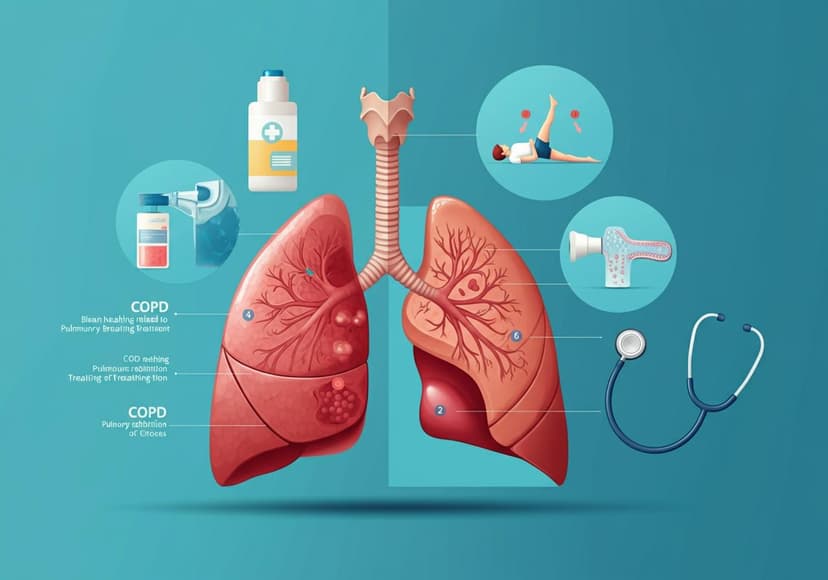
Chronic Obstructive Pulmonary Disease (COPD) encompasses a group of lung conditions that lead to breathing difficulties. The two main forms of COPD are Chronic Bronchitis and Emphysema. Understanding COPD Symptoms is crucial for early diagnosis and effective management. This article will delve into the common symptoms of COPD, as well as how to navigate and cope with this degenerative lung disease.
Common Symptoms of COPD
The hallmark of COPD is persistent breathing difficulties, which can worsen over time. One of the first signs patients often notice is an increase in shortness of breath, especially during physical activities. As the disease progresses, these symptoms become more pronounced, and simple tasks like climbing stairs or jogging can feel daunting.
Understanding Exacerbations
Exacerbations are episodes of aggravated symptoms, typically including increased breathlessness, wheezing, and chronic cough, often coupled with changes in mucus production. These can be triggered by infections, air pollution, or weather changes, making them challenging to predict. Knowing what exacerbations are and how to manage them is essential to living with COPD. Regular consults and Lung Function Tests can help in understanding how to deal with these worsening symptoms effectively.
Impact of Chronic Bronchitis and Emphysema
Both Chronic Bronchitis and Emphysema contribute significantly to the symptoms experienced by individuals with COPD. Chronic Bronchitis causes inflammation and narrowing of the airways due to excessive mucus production, leading to a constant cough. On the other hand, Emphysema involves damage to the air sacs in the lungs, reducing the surface area available for gas exchange, which can severely impact oxygen availability in the bloodstream.
COPD Treatment Options
While there is currently no cure for COPD, various COPD Treatment options can help manage symptoms and improve quality of life. Treatment plans often include the use of inhalers to open the airways, steroids to reduce inflammation, and oxygen therapy for those with advanced disease. More about these options can be found through resources like lung.org.
The Importance of Pulmonary Rehabilitation
Pulmonary rehabilitation is a specialized program that helps improve the well-being of people with COPD. It combines exercise, education, and support to help patients better manage their disease. Participating in a pulmonary rehabilitation program can significantly enhance daily functioning, effectively reducing the impact of exacerbations.
The Role of Smoking Cessation
Perhaps the most vital step in managing COPD is smoking cessation. Continuing to smoke can lead to even more rapid decline in lung function and exacerbate the existing symptoms. Numerous resources and support systems are available, including counseling and medication, to assist in quitting smoking and improving respiratory health.
Living with COPD: Tips and Strategies
Managing COPD effectively goes beyond medication; it also involves lifestyle changes. Engaging in light to moderate exercise can improve your physical capabilities, while maintaining a healthy diet can support overall health. It’s essential to listen to your body and avoid overexertion, especially during population peaks of air pollution, which can trigger exacerbations.
Conclusion
Understanding COPD Symptoms is the first step toward effective management and improvement in quality of life. From recognizing the signs of breathing difficulties to implementing treatment strategies and lifestyle changes, individuals with COPD can take control of their health. Always consult healthcare professionals for personalized management plans and to understand the trends in lung function. Remember, you're not alone in this journey!
For more information on COPD, visit PubMed for research and updates.
Posts Relacionados

1Mds Favorite 5 Supplements For Women
Women should consider these 5 supplements, which are carefully designed by 1MD to enhance wellness.
Aortic Valve Replacement Doctors Perspective
Doctors discuss aortic valve replacement, focusing on patient outcomes and advanced surgical techniques for improved results.
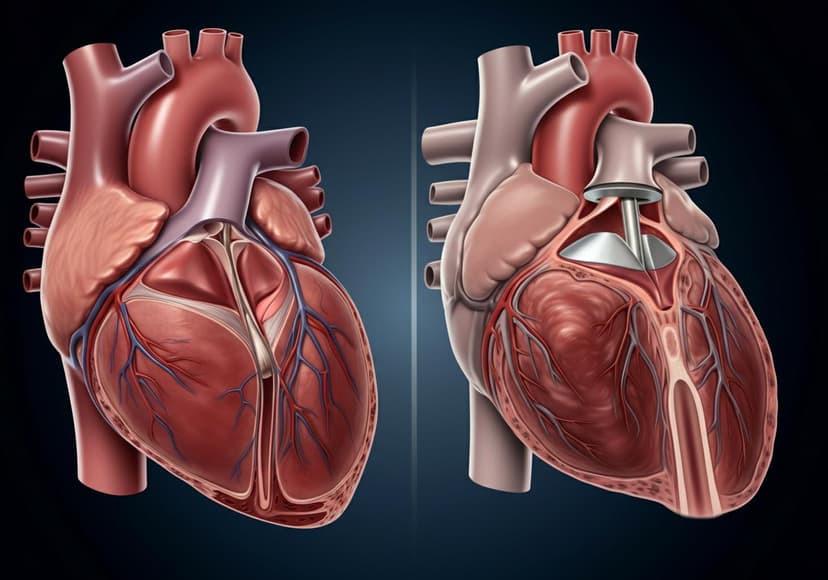
Aortic Valve Replacement Overview
Surgical procedure replaces a damaged aortic valve with a mechanical or biological valve to restore blood flow.