Comparing Network Detection And Response Products
Selecting the best vendor involves evaluating features, capabilities, and assessing organizational requirements to ensure optimal security.
Understanding Network Detection And Response
When it comes to Network Detection And Response (NDR), securing your organization’s network isn't just about perimeter defenses. It's about proactively hunting for threats from any angle. NDR tools utilize advanced technologies to monitor and analyze network traffic, identifying malicious activities before they impact your organization. This blog will delve into some top NDR solutions that excel in threat detection and how they stack up against each other.
Core Features of NDR Solutions
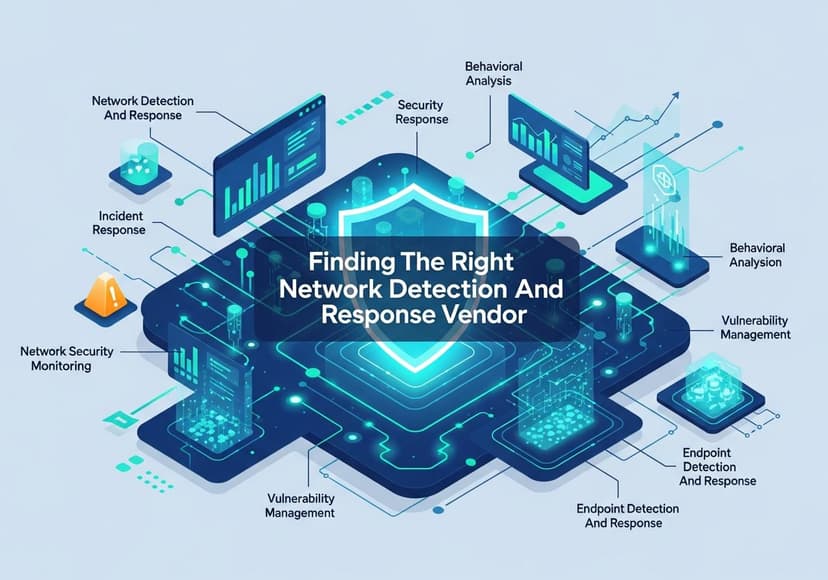
At the heart of any effective NDR solution lies a combination of threat detection, security analytics, and robust incident response capabilities. The merger of these functionalities enhances network security monitoring and builds resilience against cyber threats. In a landscape where breaches can occur at any moment, the ability to quickly pinpoint threats has never been so crucial.
The Role of Behavioral Analysis
Many NDR tools incorporate behavioral analysis to establish what normal network behavior looks like. By profiling typical user and device activities, these systems can apply anomaly detection to flag irregularities. If an employee suddenly begins downloading large amounts of data late at night, or a device communicates with an unknown IP address, the system can trigger alerts for further investigation.
Integrating Threat Intelligence
The effective use of threat intelligence can significantly enhance your NDR capabilities. By feeding real-time data into the system, you ensure it remains aware of the latest vulnerabilities and attack patterns. This level of integration often translates to quicker and more accurate detections, making it a vital element of any comprehensive security strategy.
A Look at Vulnerability Management and SIEM Integration
Today’s NDR solutions are not standalone products. They often integrate with existing vulnerability management tools and SIEM integration systems to establish a cohesive security ecosystem. This interoperability allows for a continuous feedback loop — automatically updating threat detection models based on newly discovered vulnerabilities and enhancing overall security posture.
Endpoint Detection And Response: Not Just for Endpoints
While the name suggests focus on endpoints, effective Endpoint Detection And Response (EDR) goes beyond devices. EDR collects telemetry data from endpoints and combines it with network analysis for a holistic view of security posture. When paired with NDR, you can create a synergistic defense mechanism that can identify threats traversing across both networks and endpoints.
Navigating the Market: Top NDR Solutions
As you venture into different NDR solutions, it’s important to look for features that meet your organization’s specific needs. Some top players in the NDR market include Vectra and Sophos, which have been noted for their innovative approaches to network monitoring and threat response.
Case Study: Vectra's Approach
One noteworthy solution is Vectra, which places significant emphasis on AI-driven security analytics. Its platform provides continuous monitoring and automates many tasks, which helps to accelerate incident response. One of the key benefits of Vectra's NDR is its capability to understand and learn network behavior dynamically, making it resilient to evolving threats.
Analyzing Sophos Managed Detection and Response
Sophos offers a Managed Detection and Response service that stands out due to its simplicity and comprehensive nature. This product strikes a balance between technological sophistication and ease-of-use. Integrated with deep learning and endpoint detection and response, Sophos ensures threats are tackled at their root, allowing your team to focus on what they do best — securing assets. Check out more about their offerings at Sophos.
Making the Right Choice for Your Organization
Choosing the right NDR solution is imperative to bolster your organization's defenses. Consideration of factors such as ease of integration, scalability, and user experience can greatly influence your choice. Don’t hesitate to trial different solutions to see which fits best within your technological landscape, and always keep an eye on evolving requirements to adapt your defenses.
The Future of NDR: Looking Ahead
As incidences of cyber threats rise, NDR solutions will continue to evolve. With advancements in AI and machine learning, we’re headed towards smarter, more intuitive systems capable of adapting to new types of threats. By understanding the potential and limitations of current NDR tools, organizations can better prepare for the security challenges of tomorrow.
Conclusion
The effectiveness of any NDR solution lies in its ability to integrate various security functions, from behavioral analysis to endpoint detection and response. By proactively addressing network behaviors, threats can be detected earlier, allowing for timely incident response and improved overall security. Take the time to explore different products and consider how they can work together to create a robust defense mechanism for your organization.
Posts Relacionados

Alerts For Seniors Be Prepared
Seniors should know emergency alerts for safety. Prepare and stay informed for quick responses during crises.

Anomaly Detection In Network Traffic Using Deep Learning
Deep learning analyzes network paths to identify unusual patterns, improving traffic monitoring and network performance significantly.
Automated Network Fault Detection
Proactive monitoring and diagnostics improve network performance. This approach ensures optimal connectivity and service reliability.