Cleanroom Testing And Validation Overview
Rigorous development processes ensure high reliability. Formal methods, defect prevention, and statistical testing are key.
Understanding Cleanroom Testing
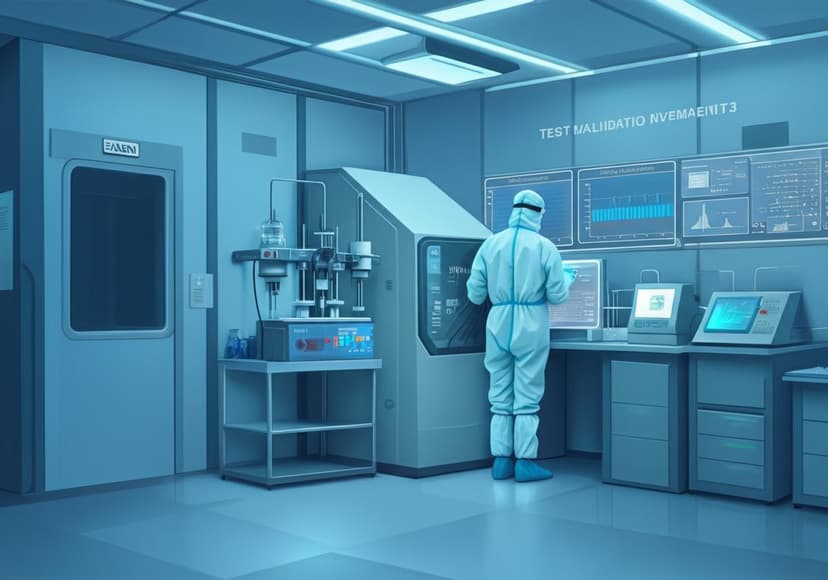
Cleanroom testing is a critical process for ensuring that environments meet stringent standards for cleanliness and contamination control. It involves a series of tests carried out in a controlled test environment to verify that air quality, surface cleanliness, and even personnel behavior comply with established guidelines. With regulatory requirements becoming ever more focused on data integrity and risk management, cleanroom testing is not just a box to check; it's essential for quality assurance in industries like pharmaceuticals, biotechnology, and electronics.
The Importance of Validation
Validation in cleanroom operations is all about proving that systems and processes are capable of functioning as intended. This validation process often includes documenting various parameters like temperature, humidity, and particle counts to ensure compliance with regulatory standards. Failure to validate effectively can lead to significant risks, including compromised product quality and unreliable data integrity. If you're looking for more details on the validation processes, check out this resource for expert insights.
Creating an Effective Test Environment
A well-defined test environment is the backbone of successful cleanroom testing. This environment needs to be meticulously designed to mitigate contamination risks while also being adaptable to the various testing scenarios required. Whether it's for pharmaceutical-grade sterile environments or semiconductor manufacturing, each test environment must be fully equipped to collect data that informs the risk assessment process. Documentation plays a pivotal role here; every action taken should be recorded to ensure that traceability is maintained throughout the testing process.
Ensuring Data Integrity
Data integrity in cleanroom environments is crucial for maintaining compliance with regulatory requirements. It's not enough to simply gather data; organizations must ensure that the data collected is accurate and reliably reflect the conditions in the cleanroom. This involves implementing robust audit trails that can assist in tracking the data from source to report. Implementing best practices ensures that your cleanroom's operations remain both secure and compliant.
Security Considerations
In today's regulatory landscape, security extends beyond physical barriers to include data security as well. Cleanroom facilities must have protocols in place to protect sensitive data collected during testing and validation phases. This involves everything from controlled access to the cleanroom area to digital security measures in place for data retention and management. Remember, it’s all about safeguarding against risks that could compromise not just your data but the integrity of the products being tested.
Compliance and Regulatory Requirements
Compliance with regulatory requirements is non-negotiable in cleanroom operations. Various organizations such as the FDA and ISO provide guidelines that set the benchmarks for operating procedures. Staying fully compliant ensures that your cleanroom operates within the legal framework while also providing reliable, high-quality results. When you fail to meet these standards, you not only risk penalties but also the reputation of your organization. For a more detailed view on regulatory compliance in cleanrooms, feel free to browse this informative link.
Risk Assessment in Cleanroom Testing
A thorough risk assessment lays the foundation for effective cleanroom testing and validation. Understanding the potential risks associated with contamination or equipment failure allows you to develop strategies that maintain the operational integrity of the cleanroom. This proactive approach can help mitigate foreseeable issues thereby ensuring that every aspect of cleanroom operations is continuously monitored and improved.
The Role of Traceability and Documentation
Traceability and documentation are not just best practices; they are essential components of cleanroom testing and validation. Each element of testing needs a corresponding record that serves to demonstrate compliance and provide a comprehensive Audit Trail. These documents become invaluable resources not only for internal assessments but also when third-party audits are conducted. By having organized and accessible documentation, you'll save time and prevent potential complications down the road.
A Final Word on Quality Assurance
Overall, cleanroom testing and validation are processes that hinge on rigorous standards for quality assurance. By ensuring that every aspect from test environments to data integrity aligns with established regulatory requirements, organizations can guarantee that they not only meet but exceed industry expectations. This commitment to excellence not only safeguards products but builds trust with clients and partners alike.
Conclusion
Cleanroom testing and validation are integral for any organization looking to achieve operational excellence and compliance with regulatory requirements. Keeping a finger on the pulse of the latest methods, standards, and technologies in cleanroom testing will ensure that you remain a leader in your field. For further insights on how cleanrooms are validated, you can explore this useful page.
Posts Relacionados

10 Business Program Software Solutions To Streamline Your Workflow
These solutions improve business workflows, boost efficiency, and automate repetitive tasks for optimal performance and success.

10 Lead Generation Strategies That Actually Work
Effective tactics boost lead generation, converting prospects. Implement these strategies to expand your customer base.

10 Tips For Getting Leads Online
Attract more clients by implementing these strategies to boost your online presence and capture valuable leads effectively.