Causes Of Lung Cancer
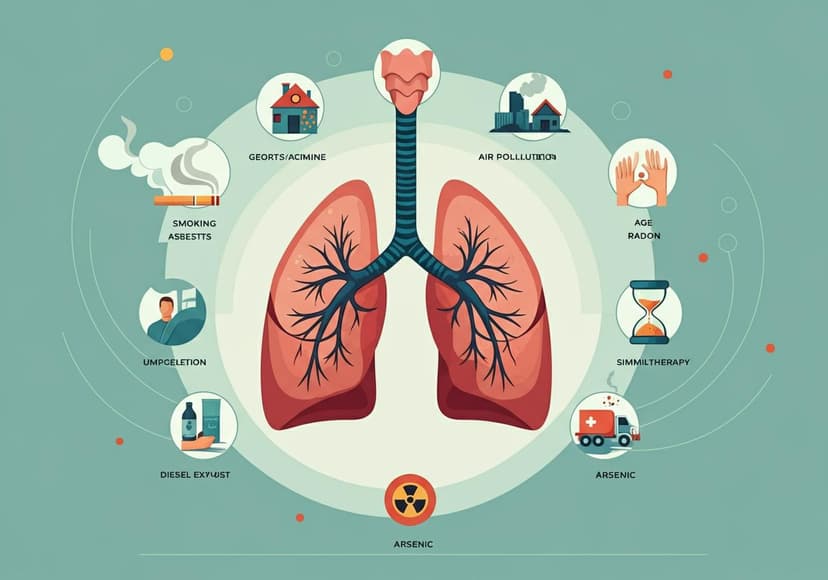
Smoking, exposure to radon, asbestos, and air pollution significantly increase the risk of developing this disease.
Introduction to Lung Cancer
Lung cancer is one of the most common cancers worldwide, and its implications can be deeply concerning. It primarily occurs when abnormal cells in the lungs grow uncontrollably. Although various factors contribute to lung cancer risk, understanding these causes can aid in prevention strategies.
Smoking: The Leading Cause
The most significant factor is undoubtedly smoking. It's responsible for approximately 85% of lung cancer cases. The harmful chemicals in cigarettes can damage lung tissue, leading to mutations that escalate into cancer. If you smoke, consider seeking help to quit.
Environmental Risks: Asbestos and Radon
Another serious contributor is asbestos exposure. This mineral was once widely used in construction and insulation. Inhalation of asbestos fibers can lead to lung cancer over time.
Additionally, radon is a colorless, odorless gas that can accumulate in homes. It's produced by the decay of uranium found in soil. Long-term exposure to radon is a known risk factor for lung cancer. For further insight about radon’s health risks, check out this resource from the EPA.
Air Pollution’s Role
Not all lung cancer risks come from smoking or hazardous materials. Air pollution, particularly from vehicles and industries, poses a significant threat. Tiny particulate matter can infiltrate the lungs and contribute to cancer development. Cities with high levels of air pollution should particularly be on the radar for lung health concerns.
The Impact of Genetics and Family History
Genetics play a crucial role in an individual's likelihood of developing lung cancer. If cancer runs in your family, your risk may be elevated. Certain genetic mutations can make an individual more susceptible to environmental carcinogens, including those from smoking and pollution.
Age and Previous Lung Diseases
Age is another important risk factor. The majority of lung cancer patients are over the age of 65. With increasing age, the cumulative exposure to various carcinogens naturally rises, heightening risk. Furthermore, individuals with a history of previous lung diseases, such as Chronic Obstructive Pulmonary Disease (COPD), are at an increased risk as well.
Radiation Therapy and Other Environmental Factors
Past radiation therapy for other cancers can also elevate lung cancer risk. This is particularly true for those who were treated in the chest area. As for other environmental triggers, prolonged exposure to diesel exhaust and toxic substances like arsenic can also be detrimental.
The Role of Certain Supplements
In recent years, discussions have emerged regarding the potential impact of certain supplements on lung cancer risk. Some studies suggest that while some supplements might be beneficial, others could even pose a risk, especially in higher doses. Maintaining a balanced diet rich in antioxidants through natural sources is usually more advisable than relying on supplements.
For those curious about lung cancer risks in general, this resource from the Canadian Cancer Society provides a wealth of knowledge: Canadian Cancer Society.
Conclusion
Understanding the causes of lung cancer is vital for prevention and early detection. While smoking remains the leading cause, factors such as asbestos exposure, radon gas, air pollution, genetics, age, and even certain supplements can influence risk. Awareness can empower individuals to make healthier choices and seek regular check-ups if they fall into high-risk categories.
Posts Relacionados

1Mds Favorite 5 Supplements For Women
Women should consider these 5 supplements, which are carefully designed by 1MD to enhance wellness.
Aortic Valve Replacement Doctors Perspective
Doctors discuss aortic valve replacement, focusing on patient outcomes and advanced surgical techniques for improved results.
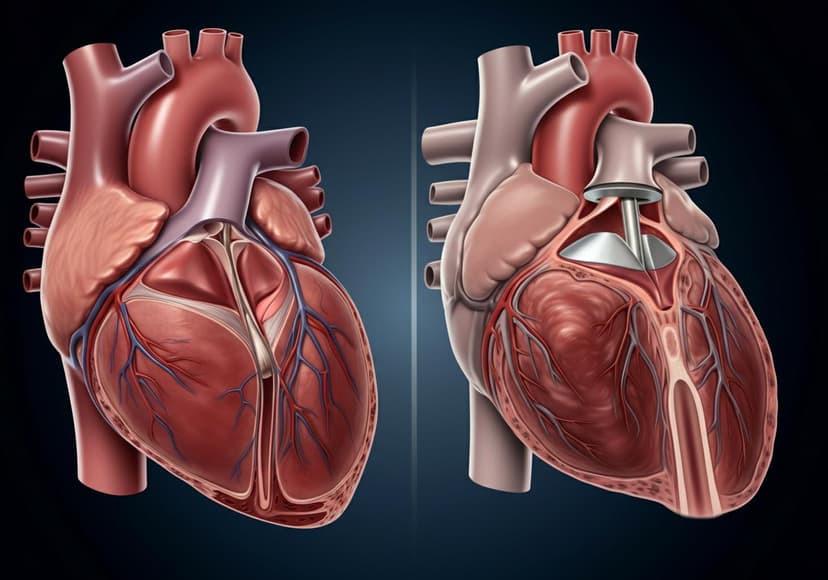
Aortic Valve Replacement Overview
Surgical procedure replaces a damaged aortic valve with a mechanical or biological valve to restore blood flow.