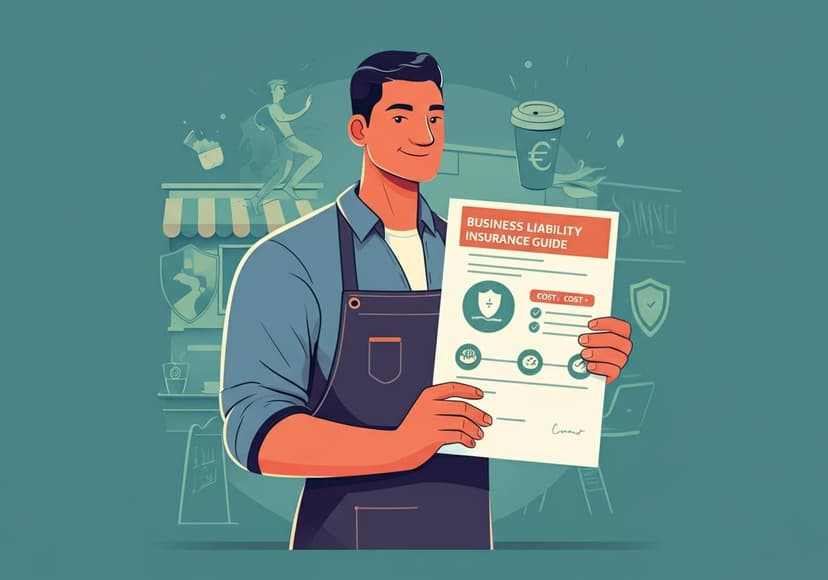
Business Liability Insurance Guide
It protects small businesses from financial risks, covering lawsuits, property damage, and other unexpected incidents.
When starting or running a business, one of the most crucial aspects to consider is business liability insurance. This type of insurance protects your company from various risks like accidents, injuries, or claims of negligence. Understanding the different types of liability coverage available can add immense value to your business operations and overall peace of mind.
What is Business Liability Insurance?
Business liability insurance is designed to cover the costs associated with claims against your business for bodily injury, property damage, or personal injury. This can come in handy if a customer slips and falls on your premises or if you inadvertently damage someone's property during a project. General liability insurance is typically the first line of defense in these situations, guarding your business against a range of common incidents.
Types of Business Liability Insurance
General liability insurance is essential for nearly all businesses. It covers third-party claims for bodily injury, property damage, and sometimes advertising injuries. For example, if a customer gets hurt while using your product, general liability insurance can cover medical expenses and legal fees.
Different from general liability, professional liability insurance (often known as errors and omissions insurance) is necessary for service-based businesses, such as consultants or real estate agents. This type of coverage protects against claims of negligence or mistakes in the services you provide, such as giving incorrect advice to a client.
For small enterprises, small business insurance bundles together various types of coverage, including general liability and property insurance. It’s a more affordable way for small business owners to ensure comprehensive protection without needing to purchase multiple policies individually.
The Costs of Liability Insurance
When considering liability insurance cost, several factors come into play, such as the size of your business, the nature of your industry, and your claims history. On average, small businesses can expect to pay about $400 to $2,000 annually for liability coverage. However, it's essential to shop around for business insurance quotes to find a plan that fits your budget and needs.
Comprehensive Liability Coverage Options
This type of coverage is primarily aimed at larger businesses and combines multiple types of liability insurance into one policy. Commercial liability insurance often includes coverage for accidents, injuries, and product-related incidents, which could otherwise lead to substantial financial losses.
Workers compensation insurance is crucial for businesses with employees. It provides benefits to workers who suffer job-related injuries or illnesses. This not only ensures employee welfare but also protects businesses from lawsuits related to workplace injuries.
In an increasingly digital world, cyber liability insurance has become a necessity for many businesses. It protects against risks associated with data breaches, cyberattacks, and other online threats. If your business handles sensitive customer data, investing in cyber liability insurance can shield you from potentially devastating financial fallout.
The Importance of Finding the Right Insurance
Ensuring you have the right liability coverage is essential for your business’s protection. The risks that each business faces are unique, and it’s vital to assess your individual needs. Not having the necessary insurance can lead to severe financial repercussions, so be sure to consider all your options.
How to Choose the Right Liability Insurance
When looking for the right coverage, it’s crucial to evaluate your business operations and any potential risks associated with them. Taking the time to assess your needs will help you avoid costly gaps in coverage. Also, consult with expert agents or utilize reputable online resources to make informed decisions. Services like The Hartford and Nationwide can offer valuable insights and options tailored to your business types.
Final Thoughts
Your business is your lifeblood, and having the right insurance for small business is key to safeguarding it against unforeseen incidents. Begin by getting a detailed overview of your requirements and exploring your options. Check out the SBA’s guide for more information on getting your business insurance in order. Remember, it’s always better to be proactive than reactive when it comes to protecting your business.
Posts Relacionados

10 Business Program Software Solutions To Streamline Your Workflow
These solutions improve business workflows, boost efficiency, and automate repetitive tasks for optimal performance and success.

10 Lead Generation Strategies That Actually Work
Effective tactics boost lead generation, converting prospects. Implement these strategies to expand your customer base.

10 Tips For Getting Leads Online
Attract more clients by implementing these strategies to boost your online presence and capture valuable leads effectively.