Benefits Of Reverse Mortgage For Seniors
It converts home equity into tax-free cash, aiding seniors in covering living expenses and healthcare.
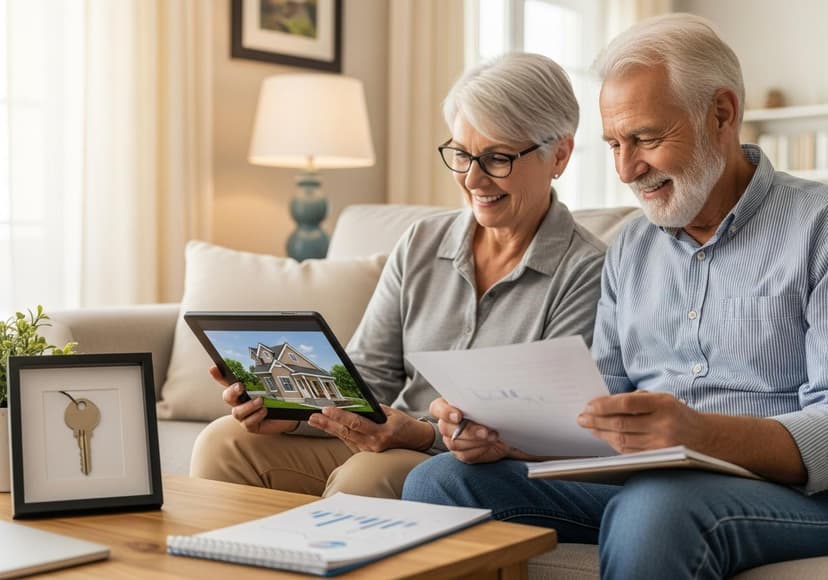
As we age, the need for financial security becomes increasingly important. For many seniors, a reverse mortgage can offer a lifeline, providing the necessary funds to help cover living expenses, housing costs, or simply enhance their retirement lifestyle. But what exactly is a reverse mortgage, and how can it be beneficial for seniors? Let’s dive in!
What Is A Reverse Mortgage?
A reverse mortgage allows seniors to convert a portion of their home equity into loan proceeds. Essentially, it’s a loan that doesn’t require monthly payments. Instead, the loan balance increases over time as the homeowner borrows against their equity. One of the most common types of reverse mortgages is the Home Equity Conversion Mortgage (HECM), which is insured by the federal government.
Financial Security in Retirement
Many seniors find themselves living on fixed incomes after retirement, which can make it challenging to meet unexpected expenses. This is where a reverse mortgage can significantly enhance financial security. Unlike traditional loans, seniors don’t have to worry about monthly payments, which can be a huge relief. Funds from a reverse mortgage can be used for anything from covering living costs to settling outstanding debts, allowing seniors to enjoy their golden years without the stress of financial burden.
Access to Home Equity
By leveraging home equity through a reverse mortgage, seniors can access funds that they might not have otherwise. Many times, seniors have a substantial amount of money tied up in their properties. A reverse mortgage provides a way to access this wealth and use it for necessities or enjoyable experiences. Whether it’s funding a dream vacation, making home improvements, or assisting family members, the options are endless.
Using Reverse Mortgage for Estate Planning
Estate planning is a crucial aspect of financial management for seniors, and a reverse mortgage can play an important role. By utilizing a reverse mortgage, homeowners can free up their cash flow while still living in their home. This also enables seniors to leave their heirs with a property that has been well maintained. Additionally, funds from a reverse mortgage can provide a financial buffer during the years leading up to an individual’s passing, ensuring that children or beneficiaries have fewer immediate concerns regarding property taxes and insurance.
The Flexibility of Line of Credit
One of the exciting features of a reverse mortgage is the line of credit option. It allows seniors to withdraw funds as needed rather than taking a lump sum. This can help in managing and preserving wealth, making it ideal for those who want to only draw what they need, whether it’s to pay for medical expenses or housing costs. It also means that if not fully utilized, the unused portion of the credit line can grow over time, providing even more financial safety as the loan balance remains under control.
Covering Property Taxes and Insurance
One of the responsibilities that come with homeownership is the obligation to pay property taxes and insurance. For seniors on fixed incomes, maintaining these payments can be burdensome. By utilizing a reverse mortgage, seniors can ensure that they've got enough resources to cover these expenses. Not only does this secure their property, but it also reduces the overall anxiety and stress related to managing housing costs during retirement.
Considerations Before Getting a Reverse Mortgage
While there are many advantages to obtaining a reverse mortgage, it’s essential to weigh the potential downsides. For example, because the loan is not repaid until the borrower moves out, sells the home, or passes away, the amount owed can accumulate over time. It's also important to remember that ongoing costs such as property taxes, insurance, and maintenance are still the homeowner's responsibility. Before diving into a reverse mortgage, it’s advisable to consult various resources for information, like Consumer Finance or Massachusetts Government for comprehensive details and guidance.
Your Rights and Options
Understanding your rights as a senior homeowner is critical. Familiarizing yourself with how reverse mortgages work and what your options are can empower you to make informed choices. Utilize resources and information available through agencies such as New York Department of Financial Services, which offers vital insights into reverse mortgages and consumer rights.
Conclusion
In conclusion, a reverse mortgage can be an excellent financial tool for seniors looking to access the equity they've built up in their homes. From providing financial security during retirement to facilitating effective estate planning, it offers a unique solution to many of the challenges seniors face. However, like any financial decision, seniors should research thoroughly and consider their individual circumstances before proceeding. Whether used to enhance living standards or support family, a reverse mortgage can open doors in the golden years!
Posts Relacionados
2023S Best No Fee Credit Cards
Find the best credit cards without annual fees, offering rewards, and perks to maximize savings.
2025S Best No Fee Credit Cards
Explore top-tier credit cards without annual fees, offering valuable rewards and benefits, maximizing financial flexibility and savings.
3 Ways To Save Money On Utilities
Conserve energy, compare providers, and monitor usage for simple ways to significantly reduce your bills.