Assisted Living Costs Explained
Support and care services vary. Costs depend on individual needs, encompassing housing, healthcare, and daily assistance.
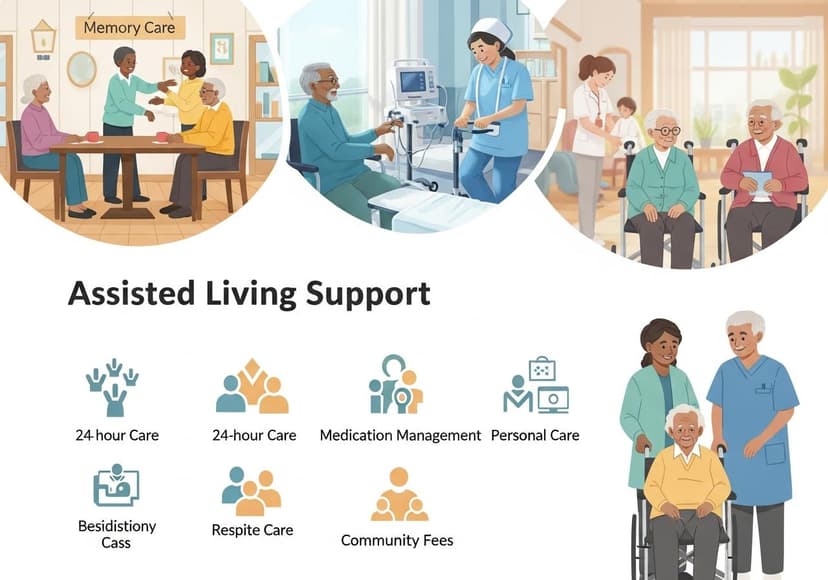
Choosing an assisted living facility for yourself or a loved one is a significant decision, particularly when considering the Assisted Living Costs. The financial aspects can be daunting, and understanding what contributes to these costs is vital for making informed choices about care. In this blog post, we’ll break down the various components that comprise assisted living costs, while also touching upon areas like Memory Care and Dementia Care.
Understanding the Basics of Assisted Living Costs
Assisted living typically involves monthly fees that cover room and board, personal care, and some level of medical assistance. These fees can vary widely, influenced heavily by factors such as location and the level of care required. One key component you’ll encounter is Community Fees. Many facilities charge an upfront fee before you move in, which may or may not be refundable. It’s important to clarify what these fees cover, as they often contribute to the overall cost of living in the facility.
Breaking Down the Costs
When evaluating assisted living costs, you’ll want to consider additional services that may be necessary. For instance, Skilled Nursing might be required for those needing more intensive medical care beyond what standard personal care offers. This will typically raise the monthly fees due to the expertise involved. Similarly, if you or your loved one has a condition that requires Medication Management, that will further increase costs as well, as professionals oversee the administration of prescription medications.
The Role of Personal Care
At its core, assisted living is designed to help with Personal Care daily needs such as bathing, dressing, and eating. The level of assistance required can significantly impact the monthly rate. The more help you need, the higher your costs may rise. Facilities often customize their personal care packages based on the needs of their residents, meaning you’ll pay for exactly what is necessary—but it can also make budgeting more complex.
Options for Specialized Care
Assisted living facilities may offer specialized services for residents facing cognitive decline, such as Dementia Care or Alzheimer's Care. These specialized programs often come at an additional cost due to the increased staff training and resources needed to care for residents with specific needs. If your loved one requires this type of specialized care, it’s worth inquiring about how these services will affect overall Assisted Living Costs.
24-Hour Care and Respite Care
If you require more intensive support, 24-hour Care is an option, but it naturally leads to higher costs. This type of care ensures medical attention and personal help are available at any time. If you are a caregiver needing a break, consider Respite Care. This is provided temporarily while you take time off, but it is essential to understand how this will factor into your overall financial planning.
End-of-life Care and Long-term Care
Although long-term considerations can feel overwhelming, end-of-life Care is an essential aspect to think about. This specialized service may be needed by some residents and again can add significantly to monthly rates. Understanding the structure of these costs can help alleviate some concerns—it’s important that you converse with your chosen facility about how Long-term Care situations are managed financially.
Finding the Right Fit
Another key aspect when considering assisted living costs are the Community Fees associated with various facilities. Conduct research and visit different communities to get a sense of both the atmosphere and the financial implications. You can also consider facilities that offer transparency in their pricing structure, so you can prepare for any potential costs that may arise. Services like those provided by Gratitude Home Care can be valuable resources in navigating these decisions.
Insurance and Financial Assistance
Don’t overlook the possibility of financing options. Some individuals have insurance policies that cover certain aspects of Assisted Living Costs. If you’re uncertain about how to navigate these complexities, resources like this article discuss the financial implications of care options. Additionally, seek guidance from financial advisors or case managers who specialize in this area.
Conclusion
Ultimately, understanding Assisted Living Costs is key to making an informed decision regarding care. Whether it’s accounting for Community Fees, looking into 24-hour Care, or evaluating options for Respite Care, you deserve to feel confident in your choices. With careful planning and research, you can find the right facility that meets your financial needs and care requirements.
Posts Relacionados

55 Plus Housing Options Overview
Discovering ideal living communities for those 55 and older requires careful regional exploration and consideration.

55 Plus Independent Senior Living A Guide For Seniors
Explore independent living options, offering seniors a fulfilling lifestyle with community and support tailored to their needs.

55 Plus Senior Communities A Guide For Retirees
These communities offer age-restricted housing and amenities for active adults, promoting social interaction and independent living.