Arthroscopic Knee Surgery
Minimally invasive procedure addresses joint issues, offering quicker recovery, reduced pain, and improved mobility for orthopedic knee conditions.
What is Arthroscopic Knee Surgery?
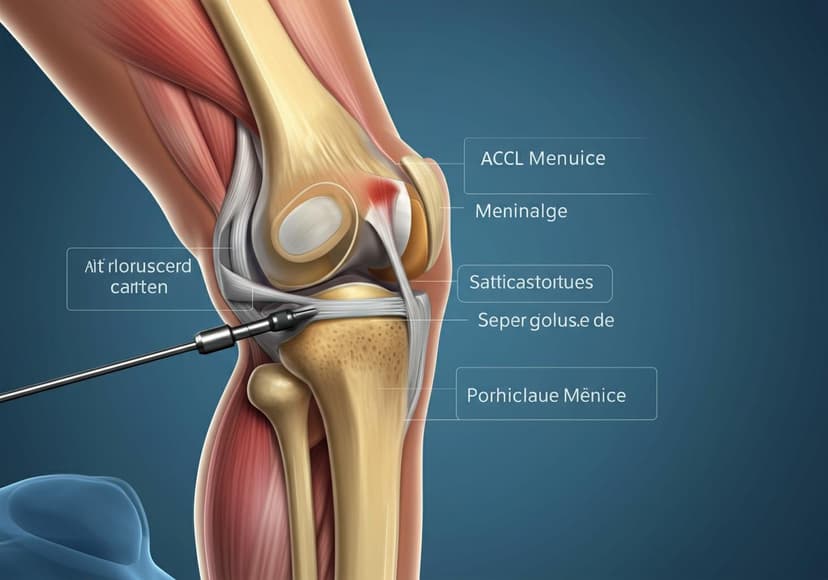
Arthroscopic knee surgery is a minimally invasive procedure that allows orthopedic surgeons to diagnose and treat various knee problems. Using a small camera called an arthroscope, doctors can get a detailed view of the inside of the knee joint. This method is preferred for its quicker recovery time compared to traditional open knee surgery, making it a popular choice among patients experiencing knee pain.
Common Procedures Involved in Arthroscopic Surgery
One of the most common procedures performed via arthroscopy is ACL reconstruction. This is often needed after a sports injury knee, where the anterior cruciate ligament is torn. During this procedure, the surgeon will replace the damaged ligament with a graft, allowing for a return to normal movement and activity.
Another frequent arthroscopic procedure is meniscus repair. The meniscus is crucial for knee stability and shock absorption. If damaged, it can cause significant pain and difficulty in movement. Repairing this structure can help restore knee function and alleviate knee pain.
When is Knee Replacement Necessary?
For patients with severe arthritis or knee joint damage that can't be fixed with arthroscopy, knee replacement may be the best option. There are two main types: total knee replacement and partial knee replacement. A total knee replacement involves replacing the entire joint, while a partial knee replacement only addresses the diseased part of the knee.
If you’re experiencing ongoing knee issues, it’s crucial to consult a specialist. Many orthopedic clinics, such as UT Southwestern Medical Center, offer valuable insights and treatment options.
Understanding Osteoarthritis and Its Treatments
Osteoarthritis is one of the most common causes of knee pain in adults. It's a degenerative joint disease that can lead to significant discomfort and mobility issues. Fortunately, there are various knee pain treatments available, including lifestyle changes, physical therapy, medication, and surgical options.
The Role of Cartilage and Ligament Repair
Cartilage repair can be performed during arthroscopic surgery if the cartilage has deteriorated. This could involve smoothing out damaged areas or grafting tissue to encourage healing. Additionally, ligament reconstruction can be performed in cases of severe ligament injury, ensuring the knee remains functional and stable.
Patellar Stabilization and Sports Injuries
Patellar stabilization is another procedure offered during arthroscopy. This is vital for individuals who experience recurrent knee dislocations, often seen in athletes. If you're dealing with a sports injury knee, arthroscopy might be your best treatment option to prevent further damage and promote a quicker recovery.
Future Innovations in Knee Treatments
There's ongoing research into regenerative treatments that might revolutionize knee pain treatment. For instance, the Mayo Clinic has explored unique regenerative medicine procedures for knee and hip joints that could offer new hope for patients suffering from joint issues. You can read more about this exciting development here.
Conclusion
Arthroscopic knee surgery is a great option for many individuals suffering from knee pain. Whether you need an ACL reconstruction, meniscus repair, or even knee replacement, understanding the options available can empower you to make informed decisions regarding your health. Always consult with your orthopedic surgeon to determine the best course of action for your specific condition.
For further information, visit clinics specializing in knee treatments, such as Towson Orthopaedic Associates, where expert teams can assist you on your journey toward recovery.
Posts Relacionados

1Mds Favorite 5 Supplements For Women
Women should consider these 5 supplements, which are carefully designed by 1MD to enhance wellness.

Aortic Valve Replacement Doctors Perspective
Doctors discuss aortic valve replacement, focusing on patient outcomes and advanced surgical techniques for improved results.

Aortic Valve Replacement Overview
Surgical procedure replaces a damaged aortic valve with a mechanical or biological valve to restore blood flow.