Ac Pressure Testing Basics
Detecting leaks and confirming system integrity requires pressure testing. Proper methods ensure accurate assessments.
Introduction to AC Pressure Testing
When it comes to maintaining your vehicle's air conditioning (AC) system, pressure testing is a crucial step. It helps in identifying leaks in the refrigerant system, ensuring that your AC runs efficiently. Utilizing the right AC pressure test equipment can make this process much simpler. Understanding the basics of how to perform an AC pressure test can save you lots of time and money in the long run.
Essential Tools for AC Pressure Testing
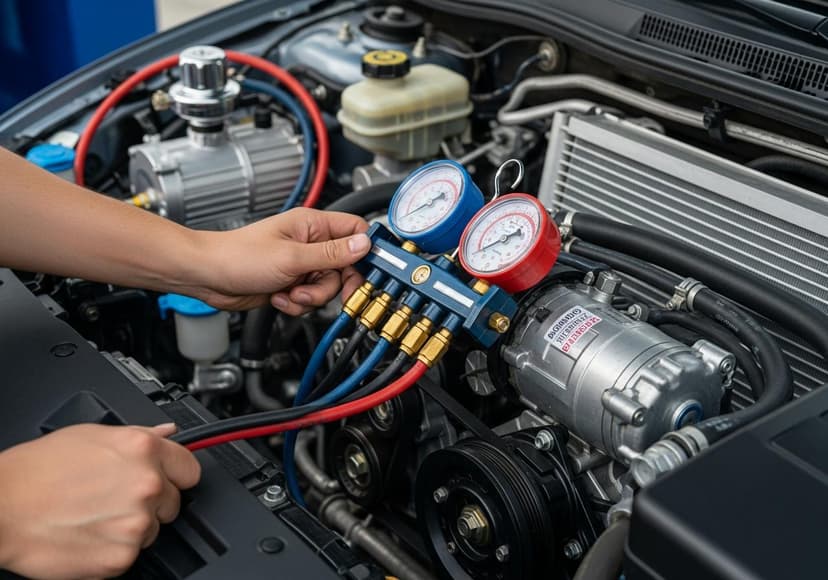
To successfully conduct an AC pressure test, you'll need some essential tools. A reliable manifold gauge set is at the top of the list. This tool allows you to measure the high and low side pressures of your AC system. When coupled with a vacuum pump, it's easier to assess the state of your refrigerant levels.
Additionally, a refrigerant recovery machine is beneficial for safely reclaiming refrigerant when performing repairs. In the event of a leak, you're going to want to make sure you perform the necessary steps to avoid further issues with your AC system. Don't forget about a nitrogen pressure regulator if you're checking for leaks; nitrogen is a non-reactive gas that helps in detecting leaks without introducing moisture into the system.
Identifying Leaks: Refrigerant Leak Detection
The primary goal of an AC pressure test is refrigerant leak detection. If pressures are not within the expected range, a leak might be present. You can utilize a refrigerant identifier to ensure you're working with the right type of refrigerant during your testing. This is critical as mixing refrigerants can lead to serious system damage.
Performing the AC Pressure Test
Before you start with the pressure test, make sure your AC system is off. Connect the manifold gauge set to the service ports of the AC unit, one port for high pressure and the other for low pressure. If you want to learn more about cleaning and pressure testing, check out discussions on forums dedicated to automotive care.
Once the gauges are connected, start your vacuum pump to remove air and moisture from the system. After a few minutes, turn off the pump and check the pressure readings. If the gauges indicate a drop in pressure over time, you likely have a leak that will need to be addressed.
Addressing Common Issues
If you find a leak during your pressure testing, various repairs might be necessary. Common issues include AC compressor replacement, as a leaking compressor can cause refrigerant loss. Additionally, condenser coil repair and evaporator core replacement may also be necessary based on the leak's location. Each of these repairs can be crucial for restoring your AC system's functionality.
If the AC system has accumulated dirt or refrigerant oil, consider performing an AC system flush to clear the lines. This step ensures that all contaminants are removed before refilling the system with refrigerant. Utilizing an O-ring kit can assist in sealing up any joints or connections that may be prone to leaks.
Final Testing
After repairs, it's time to re-test the AC system. Reconnect your manifold gauge set, refill the system with the appropriate refrigerant type, and turn on the AC. You should see the pressures stabilize within the manufacturer's specified range. For more intricate testing methods such as leak detection using different gases, you can explore details at this forum discussion.
Conclusion
Knowing how to perform an AC pressure test is an invaluable skill. It helps in maintaining your vehicle's AC system for optimal performance. With the right tools, including a refrigerant identifier, and a careful approach to leak detection, you'll ensure your AC stays cool and efficient. Pay attention to each step to avoid any potential pitfalls as you work through identifying and repairing any issues within your AC system. If you're confused about any of the processes, don't hesitate to seek advice from professionals or check reputable sources like this expert Q&A.
Posts Relacionados

10 Easy Energy Saving Habits For Your Home
Conserve energy at home: unplug electronics, use LED lights, adjust thermostat, seal windows, and embrace efficient appliances.

10 Tips For Home Energy Savings
Optimize home energy usage with these strategies for reduced bills and a smaller environmental impact.

3D Modeling Tools Beginners Guide
Discover user-friendly tools. Learn to create digital models, and bring your creative visions to life.